


 Email:

Choosing a custom-designed membrane switch keypad manufacturer requires evaluating several key factors to ensure the product meets your specific needs in terms of quality, functionality, durability, and cost. Below is a concise guide to help you make an informed decision:
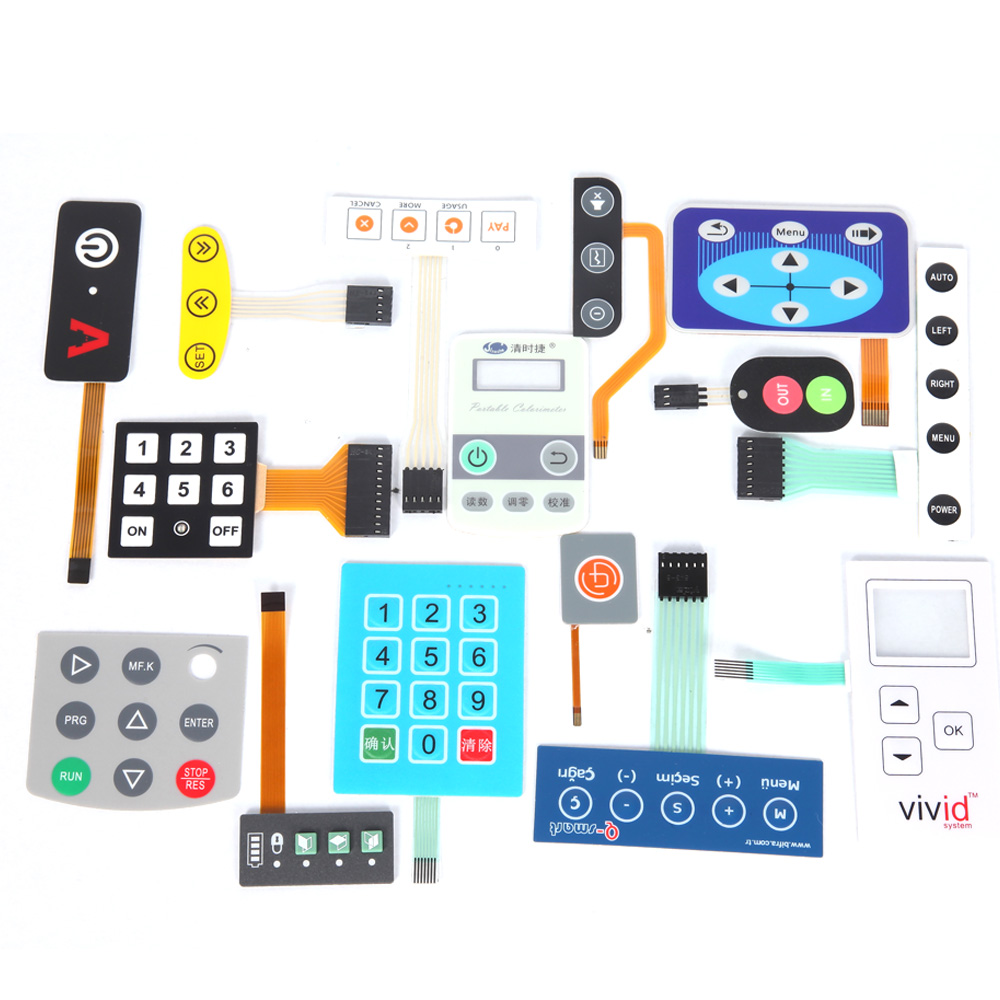
1. Define Your Requirements
Application and Environment: Determine where the membrane keypad will be used (e.g., medical, industrial, consumer electronics, outdoor). Consider environmental factors like moisture, temperature, UV exposure, or chemical exposure, as these affect material choices and sealing requirements (e.g., IP65/IP68 ratings for water/dust resistance).
Functionality: Decide if you need tactile feedback (metal or poly domes) or non-tactile switches, backlighting (LED, fiber optic, electroluminescent), or additional features like EMI/RFI shielding, embossing, or touch screen integration.
Aesthetics: Specify graphic overlay needs, such as colors, embossing (pillow, rim, dome), transparency, or branding elements like logos.
Size and Shape: Ensure the keypad fits your device’s dimensions, including flexibility for curved surfaces or compact designs.
2. Evaluate Manufacturer Expertise
Industry Experience: Look for manufacturers with experience in your industry (e.g., medical, aerospace, automotive) to ensure they understand specific standards and requirements, such as ISO 9001 certifications.
Customization Capabilities: Choose a manufacturer offering tailored solutions, from membrane circuit design (e.g., copper flex vs. printed silver) to graphic overlays and connector types (ZIF, LIF, or custom).
Prototyping and Testing: Opt for companies that provide rapid prototyping, samples, and rigorous testing (e.g., actuation life testing, environmental stress tests) to validate designs before production.
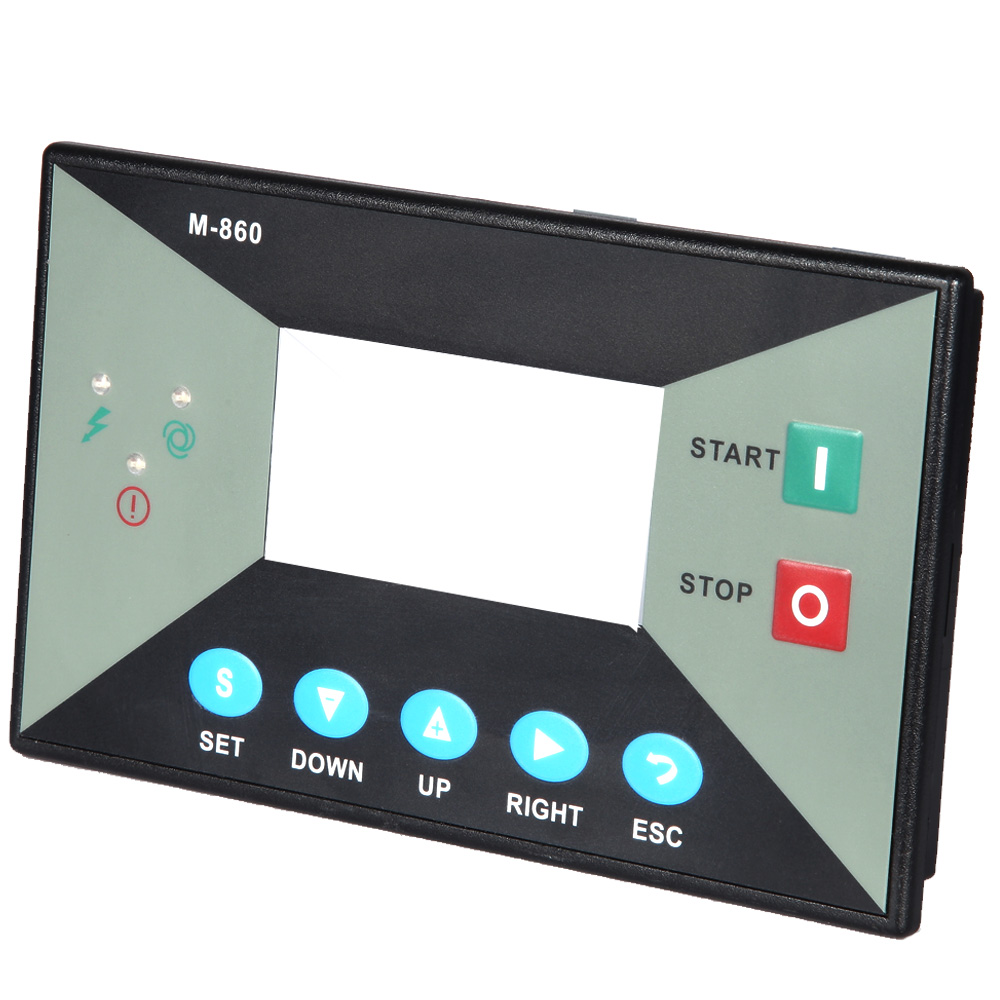
3. Assess Material and Technology Options
Materials: Ensure the manufacturer uses durable materials like polyester or polycarbonate for graphic overlays and adhesives suited for your environment (e.g., moisture-resistant or high-bond adhesives). Copper flex circuits are preferable for outdoor use over printed silver due to better durability.
Backlighting and Feedback: Confirm they offer advanced backlighting options (LED, light guide film, EL) and tactile feedback solutions (metal domes, embossed keys) that align with your user experience goals.
Durability: Check for features like UV-resistant coatings, chemical-resistant materials, or sealed designs to ensure longevity, especially for harsh environments.
4. Consider Production Capabilities
Volume and Scalability: Verify the manufacturer can handle your production needs, whether low-volume prototyping or high-volume orders, with consistent quality.
Lead Times and Logistics: Assess their ability to meet deadlines and manage logistics, especially if production is overseas. Manufacturers with local support or partnerships can streamline delivery.
Quality Control: Look for cleanroom assembly, 100% final testing, and compliance with standards like UL or RoHS to ensure reliability.
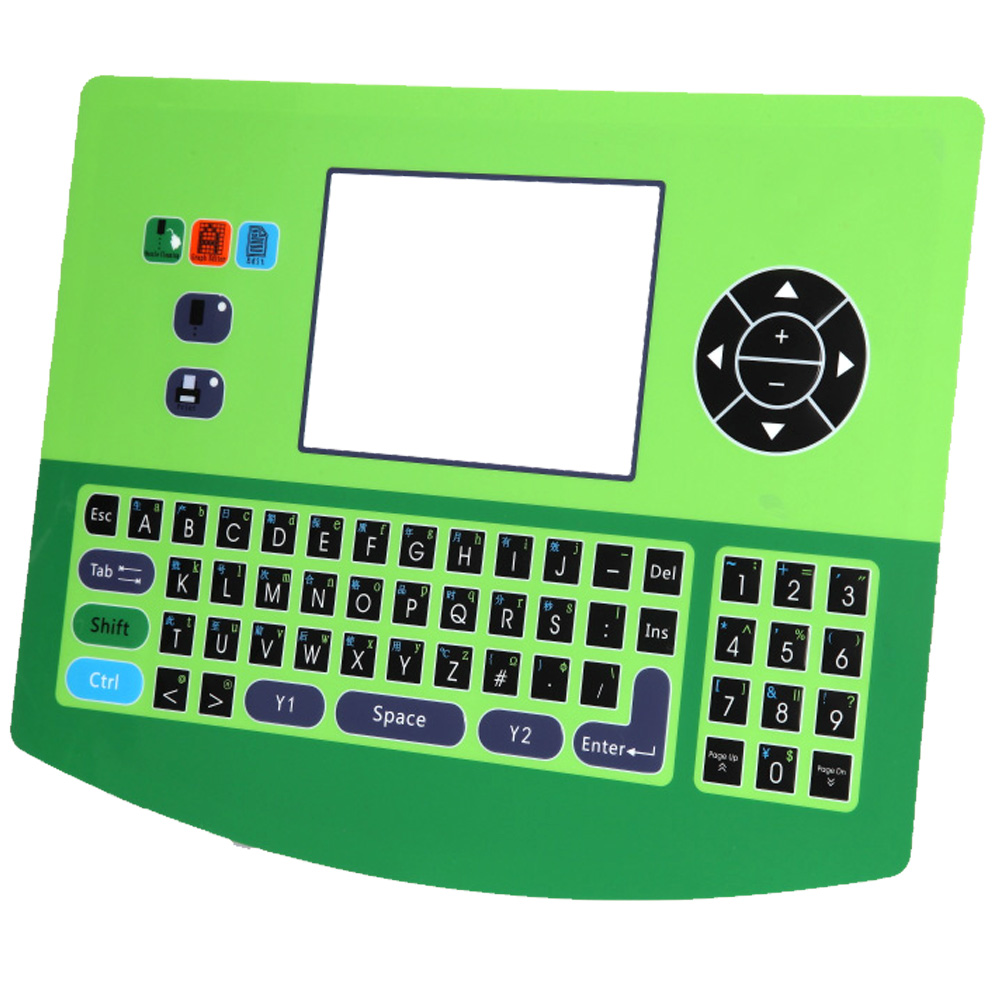
5. Review Cost and Support
Cost-Effectiveness: Membrane switches are generally economical compared to mechanical switches, but compare quotes based on material choices, complexity, and volume. Avoid sacrificing quality for lower costs.
Design Support: Choose a manufacturer that collaborates early in the design process to optimize functionality and avoid costly revisions. Access to design guides or sample kits is a plus.
Customer Service: Prioritize vendors with responsive support, clear communication, and a track record of meeting customer expectations, as evidenced by testimonials or long-term partnerships.
6. Check Reputation and Reliability
References and Reviews: Research customer feedback, case studies, or testimonials to gauge reliability and satisfaction.
Certifications and Standards: Ensure the manufacturer adheres to relevant quality standards and has a robust quality assurance process.
Global Reach: If your project involves international markets, select a manufacturer with experience serving regions like Europe or North America, familiar with their standards and processes.
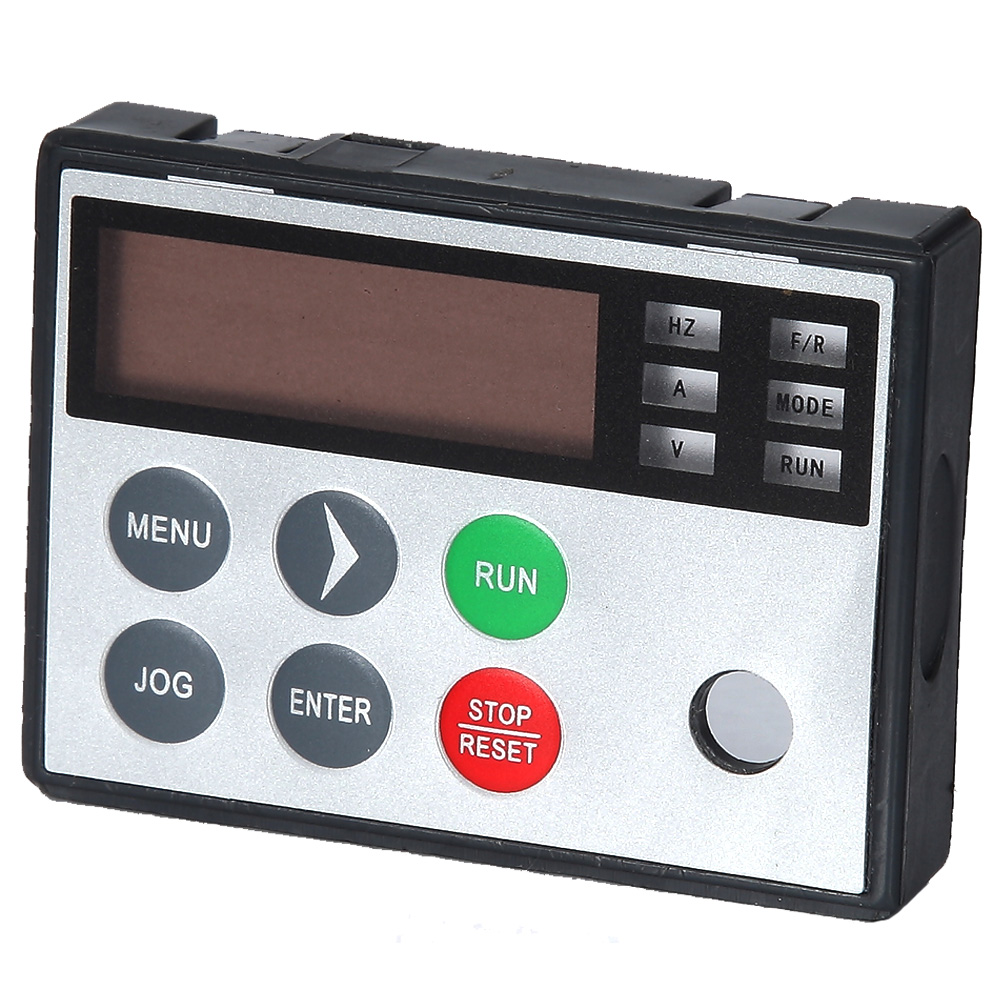
7. Request Samples and Quotes
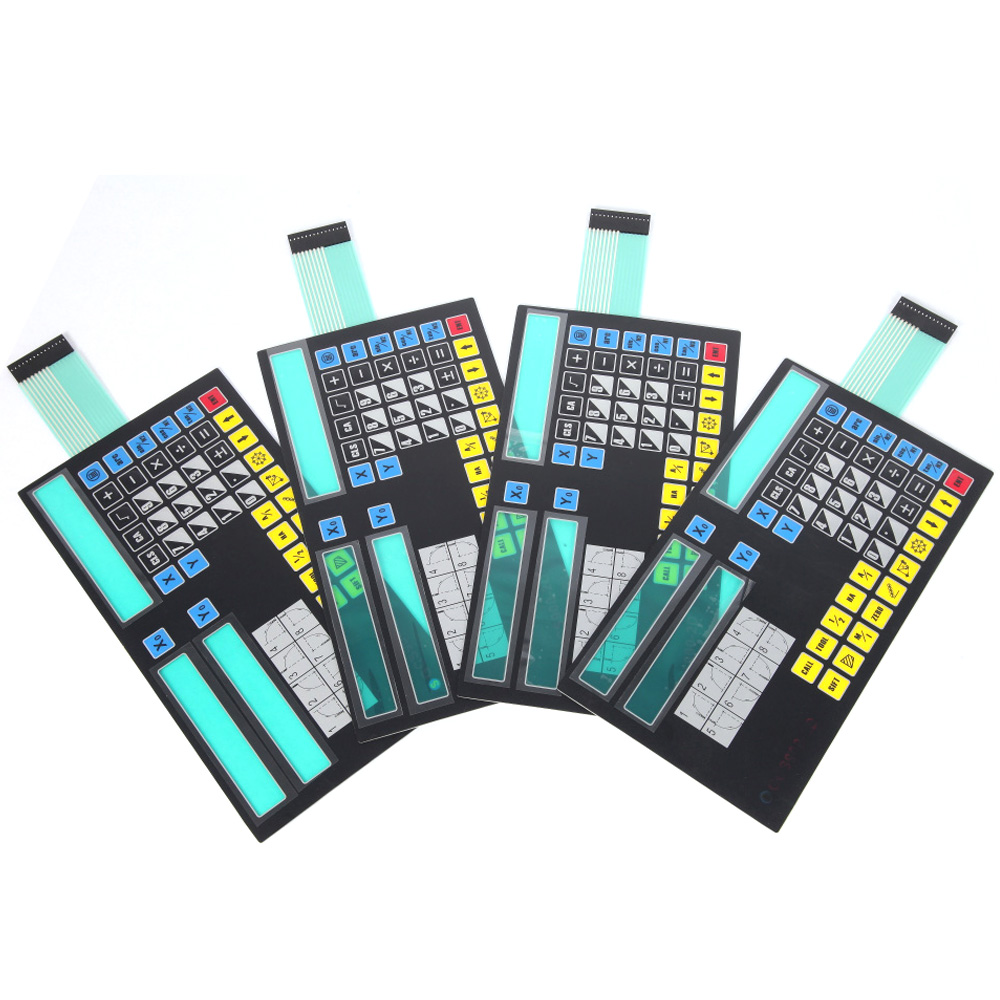
Ask for free samples to test tactile feedback, backlighting, or material durability.
Provide detailed specifications (dimensions, colors, materials, environmental needs) to get accurate quotes and ensure the manufacturer understands your project.
Final Tips
Start Early: Engage the manufacturer during the design phase to ensure feasibility and optimize costs.
Prioritize User Experience: Focus on intuitive graphic overlays and tactile feedback to enhance usability.
Balance Cost and Quality: Avoid overly cheap options that compromise durability or performance, especially for critical applications like medical or aerospace.
More information visit:www.jcftechnology.com