


 Email:

Membrane switches are composed of several internal layers that work together to create a functional, low-profile interface for electronic devices. Below is a breakdown of the typical internal layers of a membrane keypad switch, listed from top to bottom:
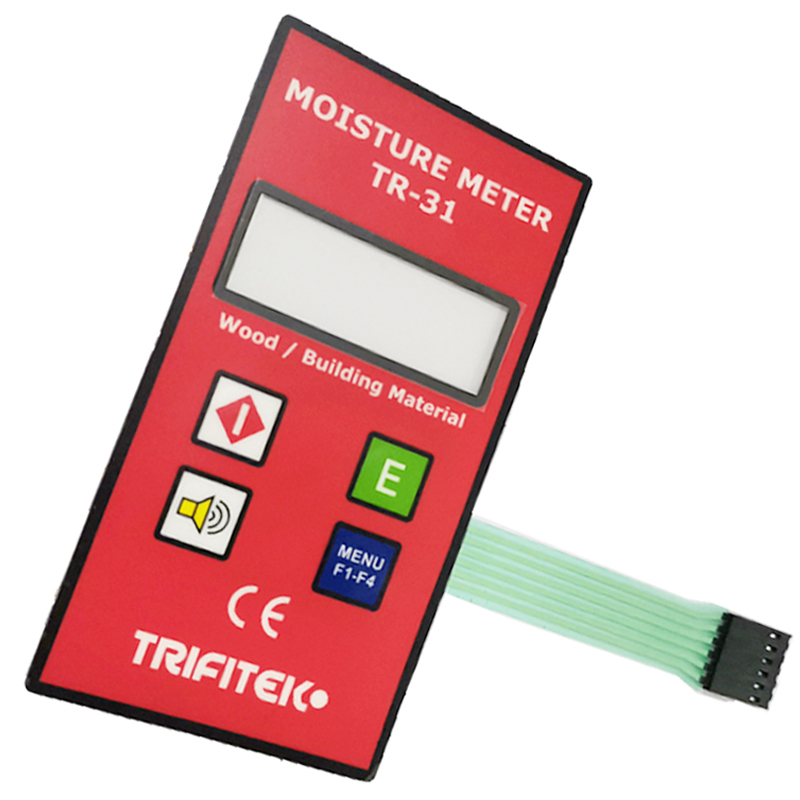
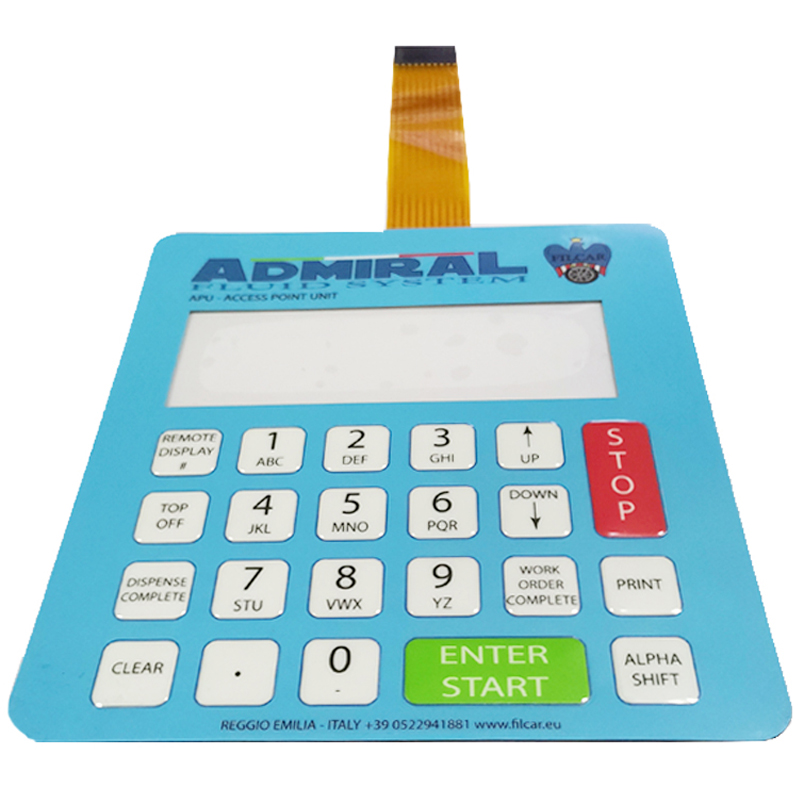
Graphic Overlay: The topmost layer, often made of polyester or polycarbonate, features printed graphics, text, or icons. It serves as the user interface, providing visual cues and protecting underlying components.
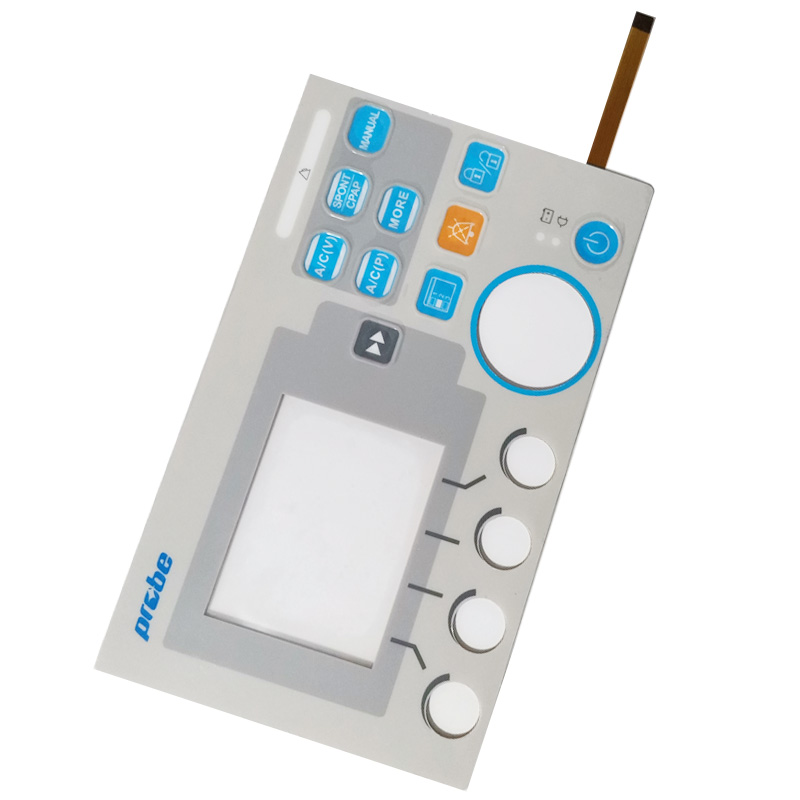
Overlay Adhesive: A thin adhesive layer bonds the graphic overlay to the layer below, ensuring durability and alignment.
Top Circuit Layer: This layer contains conductive traces (usually silver or carbon ink) printed on a flexible substrate, like polyester.
It forms part of the electrical circuit that registers key presses.
Spacer Layer: A non-conductive layer with die-cut openings that separates the top and bottom circuit layers. It prevents unintended electrical contact and defines the tactile response area.
Bottom Circuit Layer: Similar to the top circuit layer, this contains conductive traces that complete the circuit when pressed against the top layer.
Backer Adhesive: The bottom adhesive layer secures the membrane switch to the device’s housing or mounting surface.
Optional Layers (depending on design):
Tactile Layer: Includes metal domes or polydomes to provide tactile feedback when a key is pressed.
Shielding Layer: Added for EMI/RFI protection in sensitive applications.
Backlighting Layer: Incorporates LEDs or light guides for illuminated switches.
Support Layer: A rigid backer (e.g., aluminum or FR4) for added structural stability.
Each layer is carefully engineered for flexibility, durability, and functionality, tailored to the specific application.
More information visit:www.jcftechnology.com