


 Email:

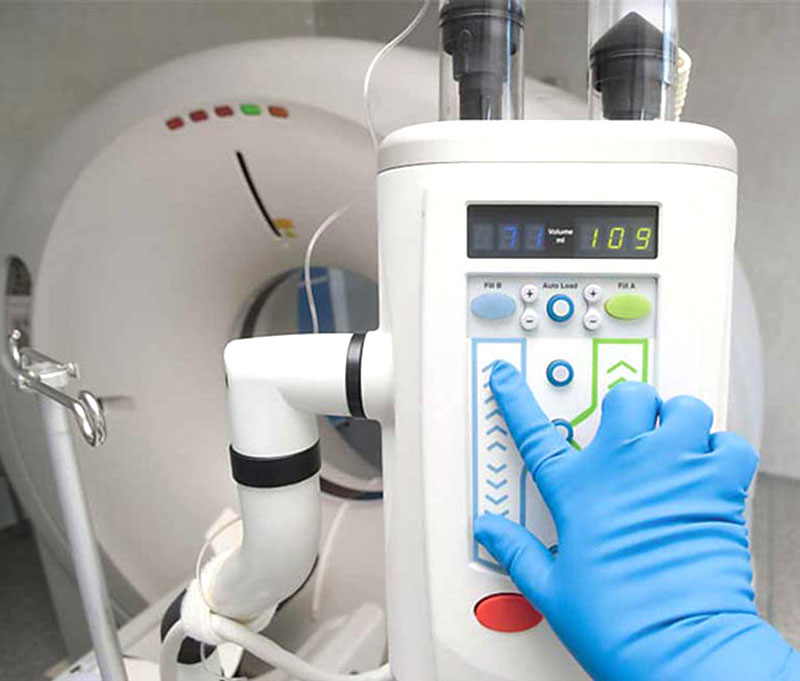
A membrane switch keypad (also called a membrane keypad or membrane keyboard) is a thin, flexible input device commonly used in appliances, medical equipment, industrial controls, remote controls, and other electronics.
Basic Construction
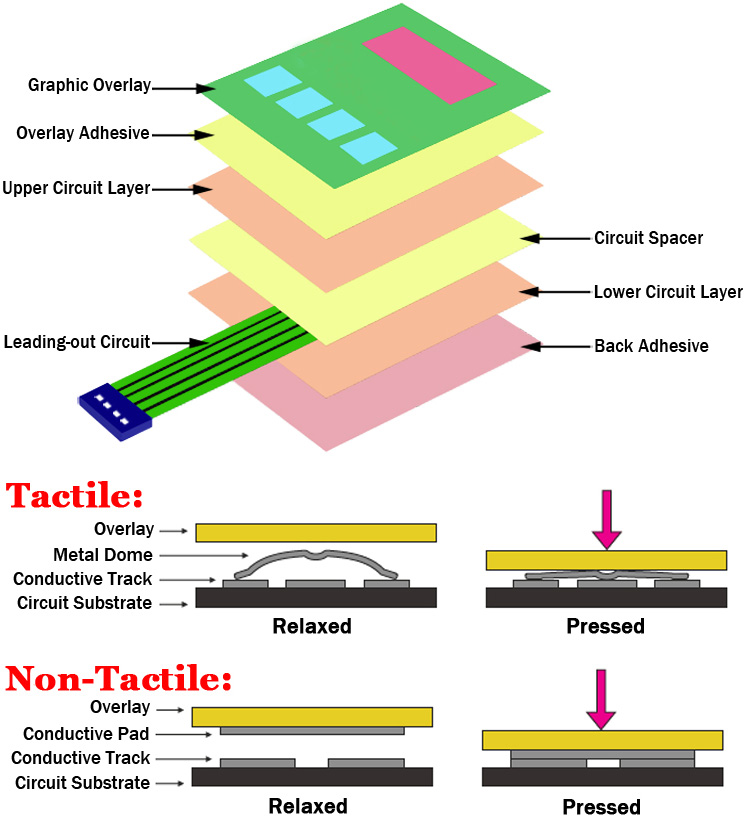
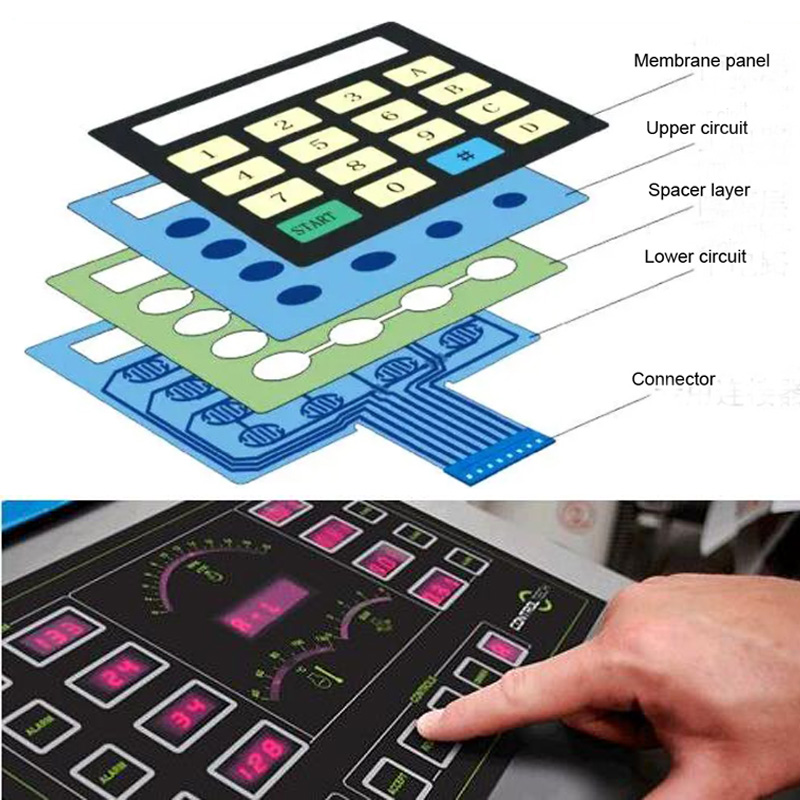
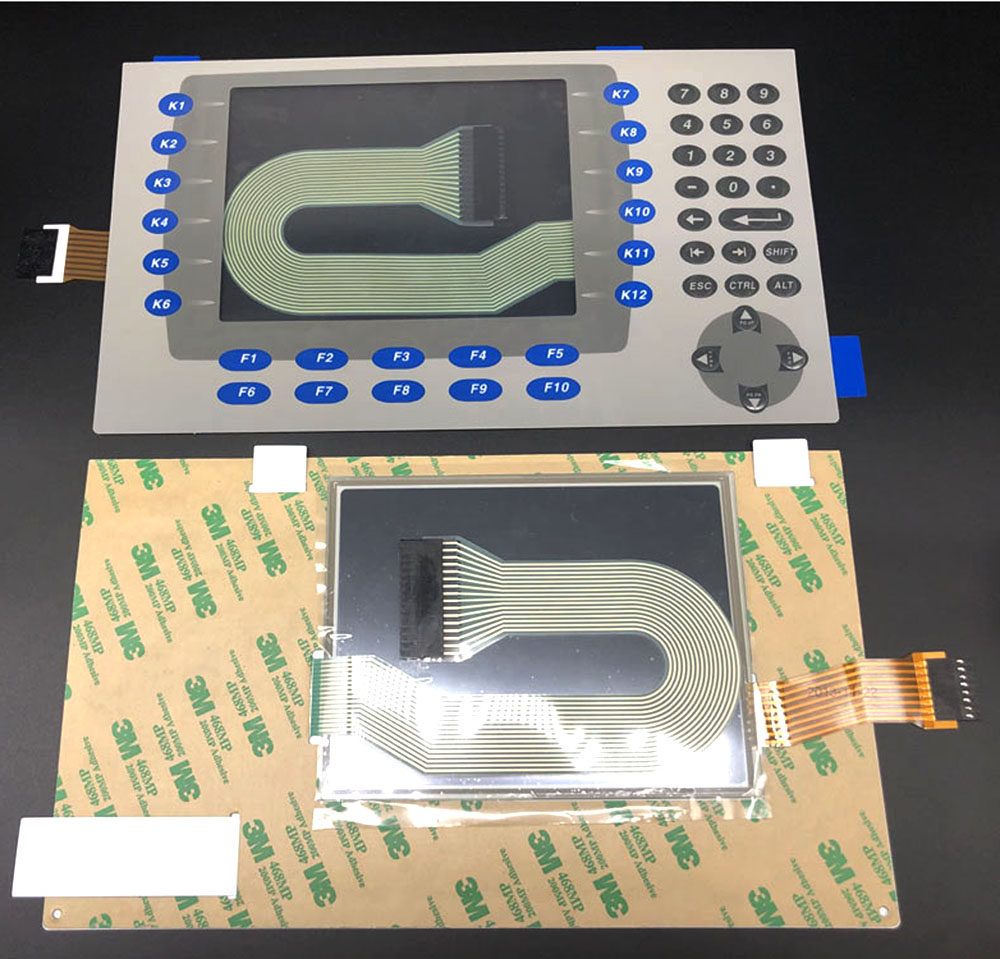
Membrane switch keypads consist of several thin layers (typically 4–8) stacked and bonded together:Graphic overlay (top layer): A durable polyester or polycarbonate film printed with key symbols, icons, and labels. It provides the user interface and protects the inner layers.
Spacer/adhesive layer: A non-conductive layer with holes or cutouts at each key position. It normally separates the circuit layers to prevent unwanted contact.
Upper circuit layer: A flexible film (usually PET) printed with conductive traces (often silver or carbon ink) forming one half of the switch contacts.
Lower circuit layer: Another flexible film with complementary conductive traces forming the other half of the contacts.
Optional additional layers: Metal domes (for tactile feedback), backlighting (LEDs or light guides), rigid support, or mounting adhesive at the bottom.
Working Principle
The keypad operates on a simple electrical contact mechanism:Resting state (open circuit): The upper and lower circuit layers are separated by the spacer layer. No electrical connection exists between the conductive traces, so no current flows → the switch is "off".
Key press (closed circuit): When you press a key on the graphic overlay, the flexible top layer deforms downward. This pushes the upper circuit traces through the spacer hole to touch the lower circuit traces, completing the electrical circuit → the switch is "on".
Signal registration: The completed circuit sends a low-voltage signal to the connected controller (e.g., a microcontroller or matrix scanning system), which registers the keypress.
Release: When pressure is removed, the flexible layers spring back (due to the material properties of PET), breaking the contact and opening the circuit again.
Common Variations
Non-tactile: Flat feel with no "click" — relies on visual or audible feedback.
Tactile: Often includes metal snap domes or poly domes under each key for a distinct "snap" feedback when pressed.
Key Advantages
Extremely thin and lightweight
Sealed against dust, moisture, and spills
Low cost and easy to customize
Quiet operation
More info visit:www.jcftechnology.com