


 Email:

No, membrane keypad switches are not inherently tactile—they come in both tactile and non-tactile varieties, depending on their design and construction.
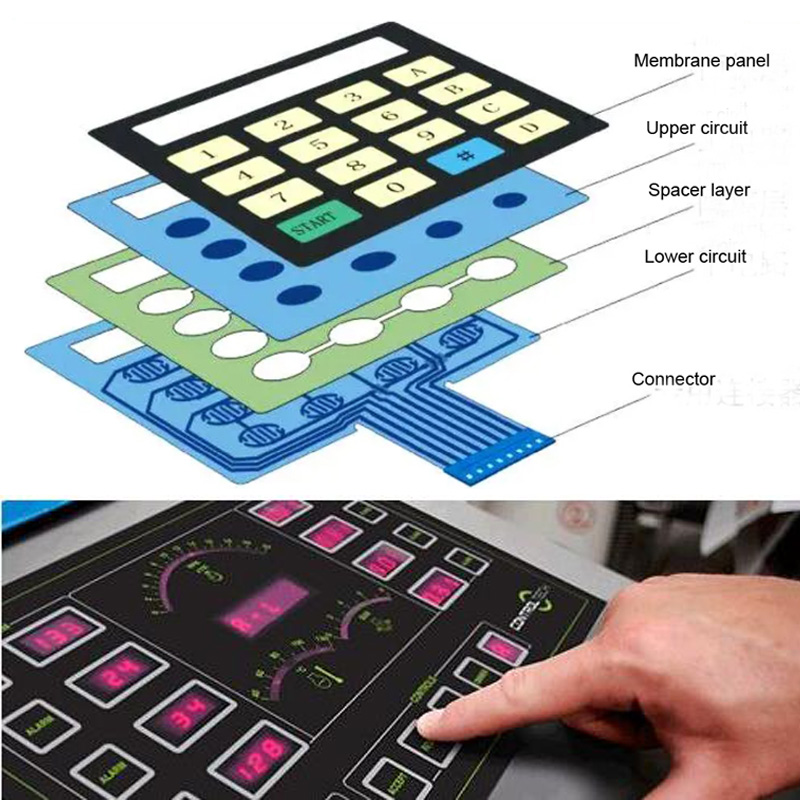
Tactile Membrane Keypad Switches
These provide physical (haptic) feedback when pressed, usually a noticeable “snap,” “click,” or bump sensation (and sometimes an audible sound). This helps users confirm that the switch has activated without needing to look at the device.How they work: They typically include a dome (metal, polyester/polydome, or rubber/silicone) beneath the graphic overlay. When you press the button, the dome collapses, closes the circuit, and delivers the tactile response before springing back.
Common uses: Consumer electronics, household devices, remote controls, keypads, or any interface where immediate physical confirmation improves usability.
Advantages: Better user experience with clear actuation feedback; can be customized for actuation force, dome size/shape, and feel.
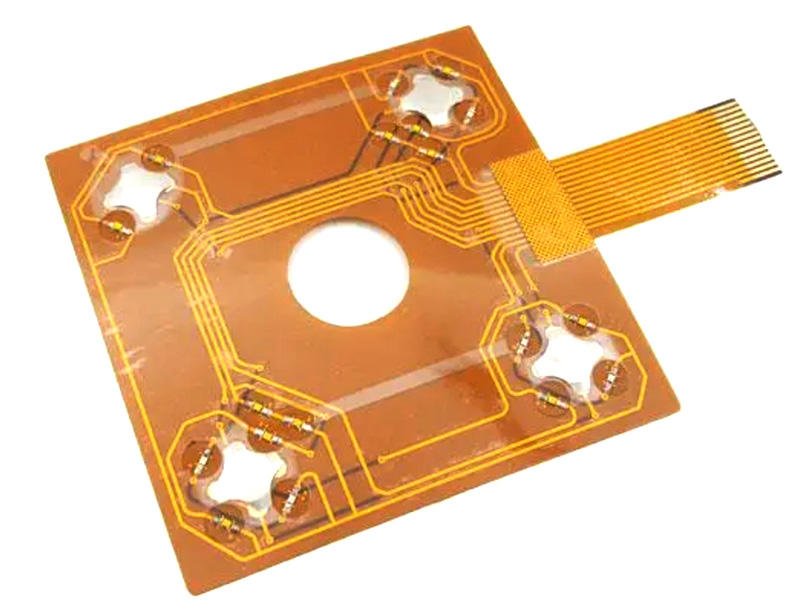
Non-Tactile Membrane Keypad Switches
These lack the dome and offer a smooth, flat press with no physical “snap” or bump. Activation happens when the top circuit layer simply contacts the bottom layer.How they work: Pressing brings conductive layers together without any mechanical feedback. Confirmation usually comes from visual cues (LEDs, backlighting) or audio (beeps).
Common uses: Medical equipment, gaming devices, microwaves, or slim/sealed interfaces where a smooth surface is preferred for cleaning, quiet operation, or cost savings.
Advantages: Thinner, cheaper, quieter, and often more durable in certain environments (fewer moving parts).
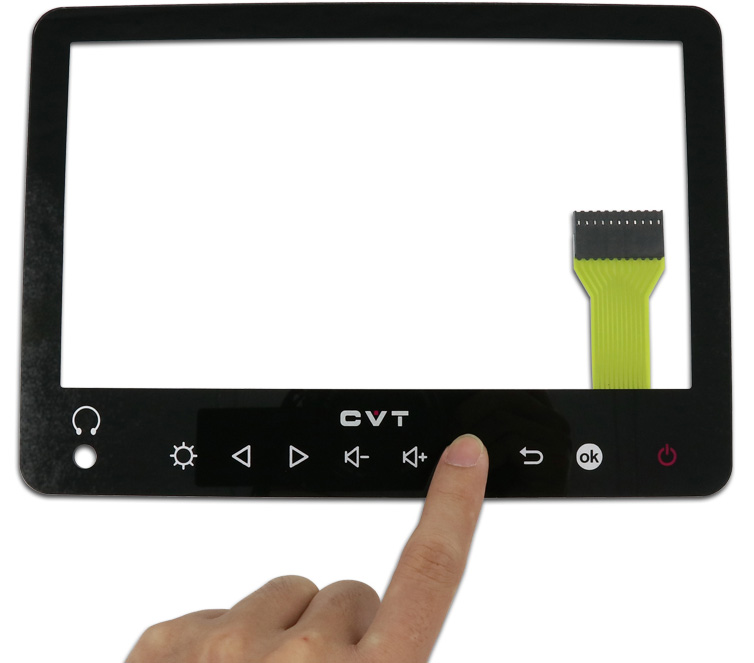
Key Differences and Considerations
1,Feedback mechanism
Tactile: Dome collapse (metal domes give the crispest “click”; polydomes or rubber domes are softer).
Non-tactile: Direct layer contact (linear/smooth feel).
2,Cost and design
Non-tactile versions are generally less expensive and allow for flatter, sleeker overlays.
Tactile ones add layers or components, increasing cost but improving ergonomics.
3,Applications
Choose tactile for user confirmation-heavy tasks; non-tactile for silent, low-profile, or indicator-reliant interfaces. Many products mix both types or combine membrane switches with other feedback.
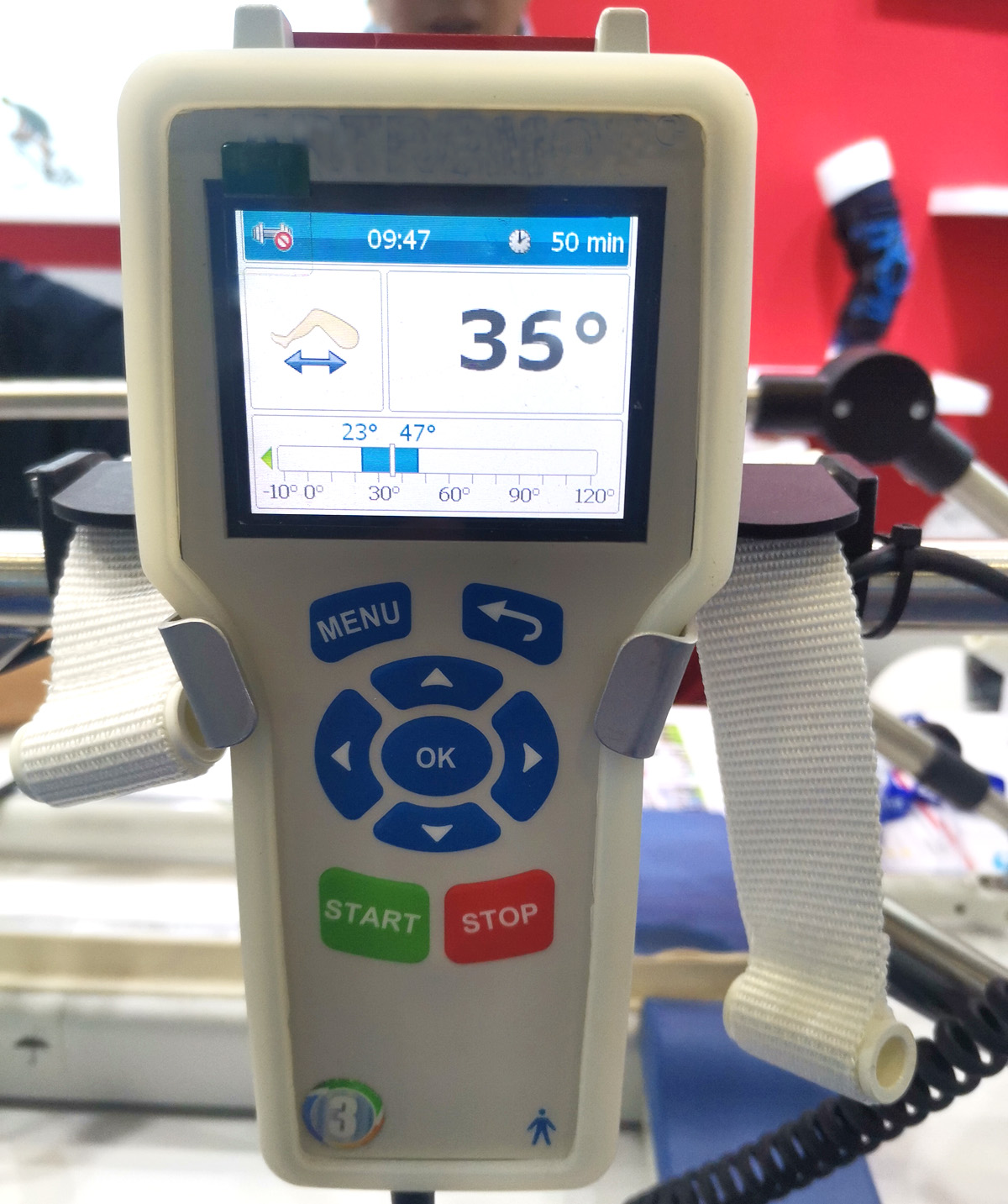
Membrane switches can be tactile (with domes for feedback) or non-tactile (smooth and silent), so the answer depends on the specific design. If you're designing or selecting one (e.g., for a keypad or custom interface), the choice hinges on whether physical confirmation is important for the end user. Tactile versions are more common when a button-like feel is desired.
More information visit:www.jcftechnology.com