


 Email:

A copper flexible membrane keypad (also called a copper flex membrane switch, FPC membrane switch, or Cu-Flex keypad) is a type of thin, flexible input device that uses etched copper circuitry on a flexible substrate instead of traditional printed silver conductive ink.
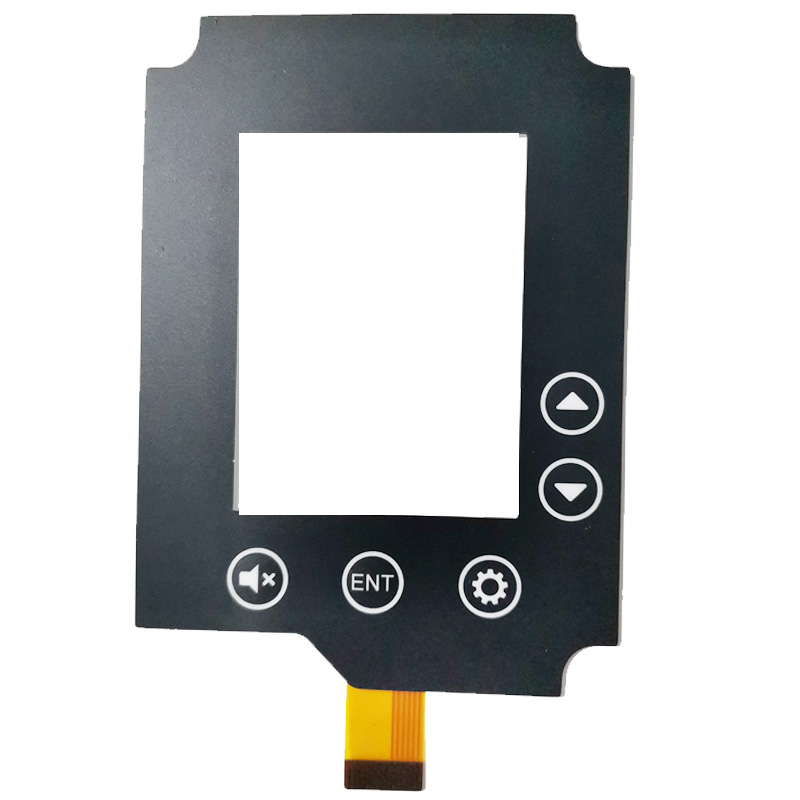
How It's Made
It starts with a flexible base material, typically polyimide (Kapton) or polyester film.
A thin sheet of copper is laminated onto the substrate.
The copper is chemically etched to create precise conductive traces (similar to flexible printed circuits or FPCs).
Additional layers of polyimide or coverlay are added for insulation, leaving contact areas exposed (often gold-plated for reliability).
This circuit layer integrates with the standard membrane switch layers: graphic overlay, spacer, and adhesive backing.
It can be single-sided, double-sided, or combined with rigid PCB elements (rigid-flex).
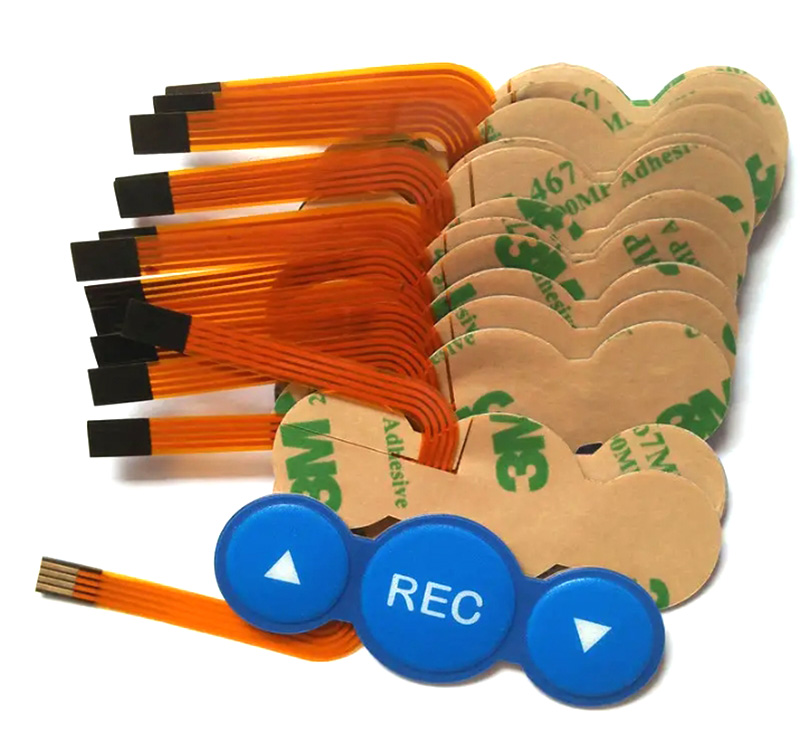
Key Advantages Over Traditional Silver Flex Membrane Keypads
Traditional membrane keypads use screen-printed silver or carbon ink for circuits. Copper flex offers several improvements:
Better conductivity and lower resistance— Copper traces have much lower resistance (often ~20% of silver), leading to reliable key presses, reduced switch bounce, and better signal integrity.
Higher durability and flexibility— Can withstand tight bending/creasing, vibration, and folding without cracking (unlike silver ink, which can break or migrate).
Component integration— Allows direct soldering of LEDs, diodes, connectors, or other SMT components (stronger adhesion than on silver ink).
Thermal and environmental resistance— Handles higher temperatures (up to ~280°C in some cases), thermal shock, and harsh conditions better; no silver migration issues.
Finer traces— Supports tighter routing, smaller pitches (e.g., 0.5mm), and more complex/dense designs.
Longer lifespan — Often >1 million operations, suitable for high-reliability uses.
It is typically a bit more expensive due to the etching process but offers better performance for demanding applications.
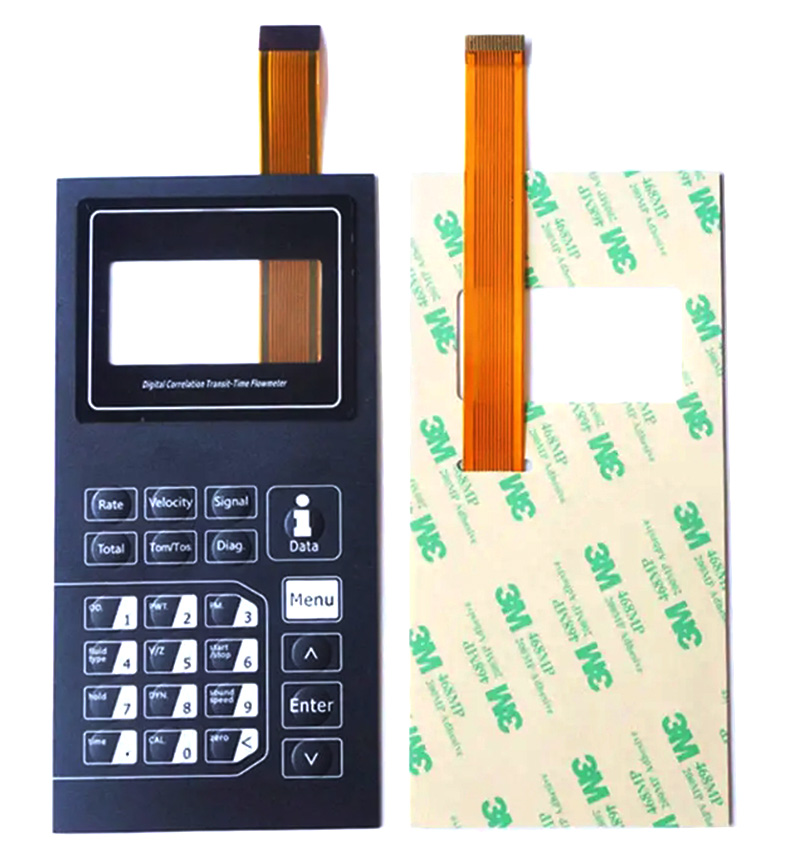
Common Applications
These keypads are used where reliability, compactness, or harsh environments matter:
Medical devices (hygiene, durability)
Automotive (dashboards, controls)
Industrial equipment and machinery
Consumer electronics and wearables (curved or space-constrained designs)
Outdoor or high-vibration settings
They support tactile feedback (via metal or poly domes), embossing, backlighting (LEDs), and various sealing levels (up to IP67 in some designs).
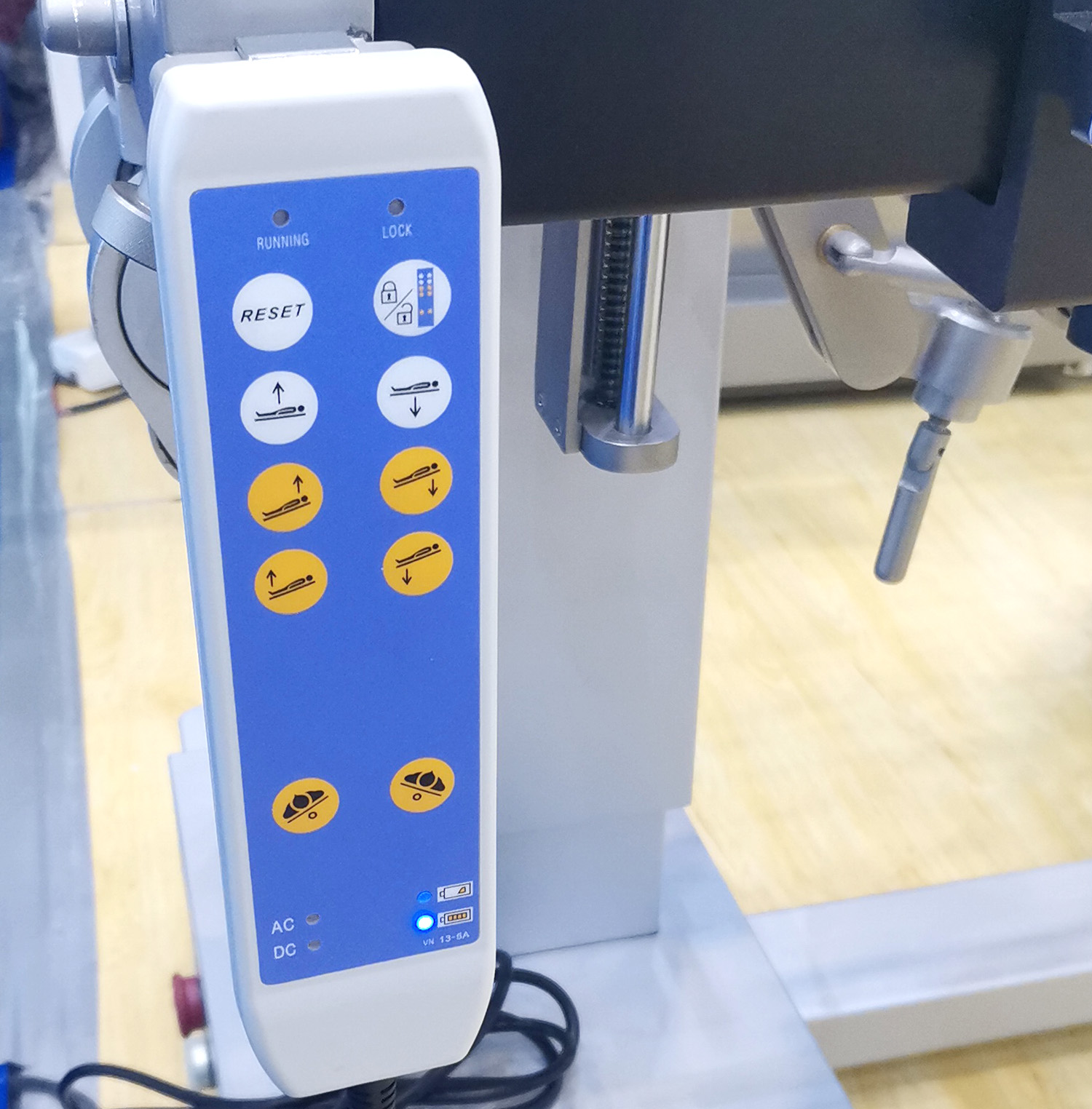
In short, a copper flexible membrane keypad is an upgraded version of a standard membrane keypad that replaces printed silver with etched copper for superior electrical performance, mechanical robustness, and design flexibility.
More info visit:www.jcftechnology.com