


 Email:

Medical Membrane Switch for Medical Equipment: Design and Material Guide
Medical equipment requires a user interface that is reliable, easy to clean and suitable for frequent operation. For many medical devices, a custom membrane switch or membrane keypad can provide a practical alternative to conventional mechanical buttons.
A medical membrane switch can combine the graphic interface, electrical circuit, tactile buttons and sealing structure into one thin component.
What Is a Medical Membrane Switch?
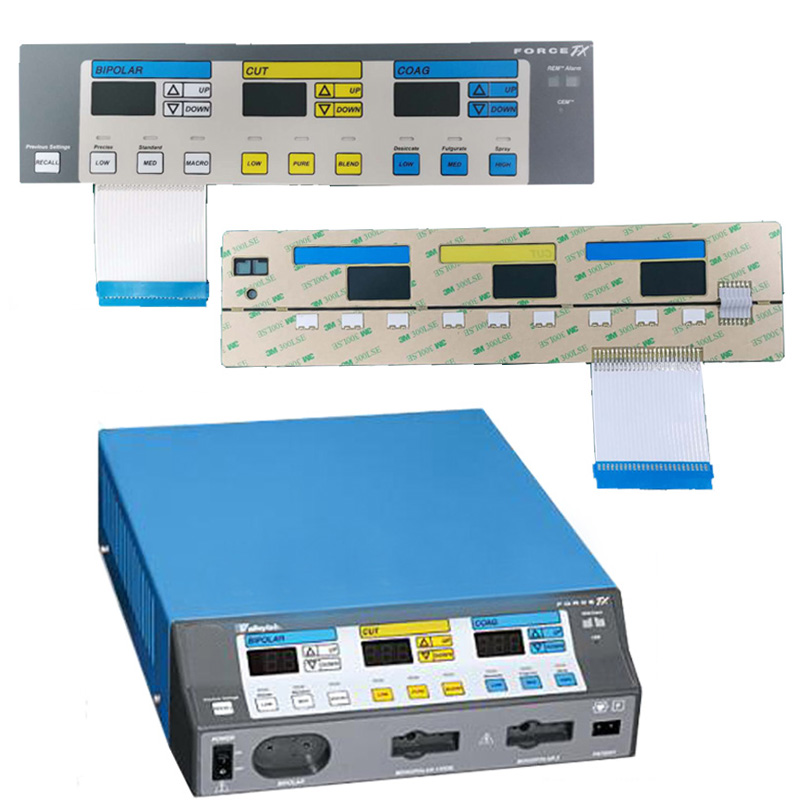
A medical membrane switch is a customized membrane keypad designed for medical equipment and healthcare applications.
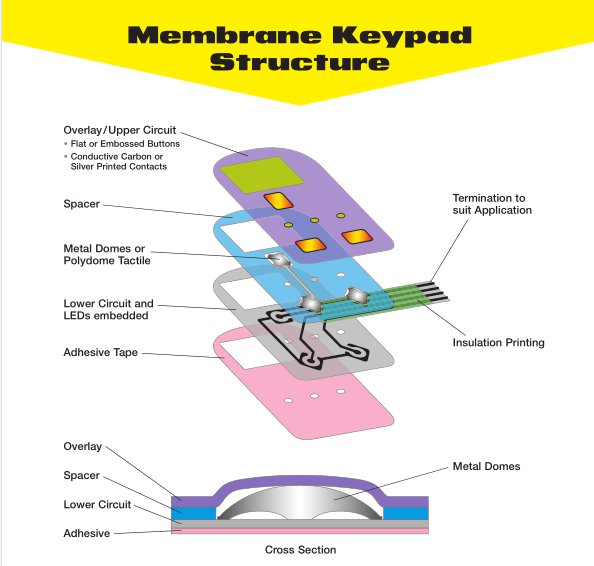
Depending on the equipment requirements, it can include:
Polyester or polycarbonate graphic overlay
Printed membrane circuit
Metal dome switches
LED indicators
Display windows
FPC or PCB circuits
Adhesive layers
Embossed buttons
Sealing structures
The final structure should be designed according to the equipment's cleaning, operating and environmental requirements.
Why Are Membrane Keypads Used in Medical Equipment?
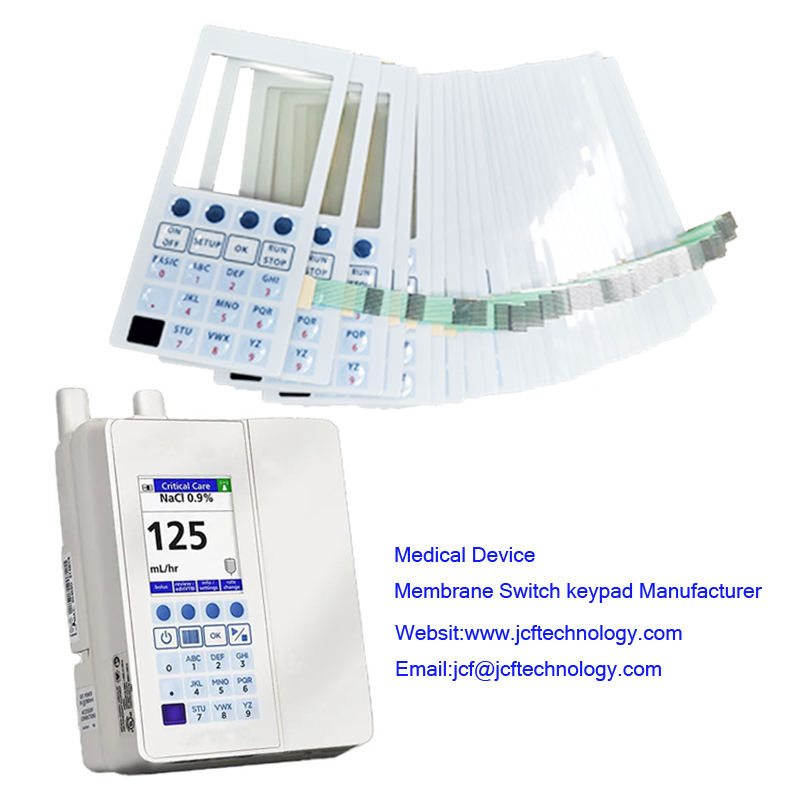
Medical equipment is frequently operated by healthcare professionals. The interface therefore needs to provide clear operation and reliable feedback.
Membrane keypads offer several potential advantages.
Easy-to-clean surface
A smooth membrane overlay has fewer gaps and exposed mechanical components than many traditional switch constructions.
This makes the surface easier to wipe and maintain.
Low-profile construction
Medical equipment often contains many internal electronic components. A low-profile membrane keypad can help reduce the space required for the user interface.
Custom graphic design
Buttons, symbols, text and indicators can be customized according to the equipment interface.
Tactile feedback
Metal dome switches can provide tactile feedback when operators press a key.
This can be particularly useful when the operator needs clear confirmation of key activation.
Waterproof Medical Membrane Switch Design
For equipment exposed to liquids, cleaning agents or moisture, sealing is an important part of membrane keypad design.
The sealing solution may involve:
Perimeter adhesive sealing
Suitable overlay materials
Proper lamination
Controlled adhesive thickness
Sealed connector areas
Appropriate enclosure design
It is important to distinguish between a membrane keypad's construction and the overall IP rating of the finished equipment.
The final IP rating should be verified through appropriate testing of the complete product or assembly.
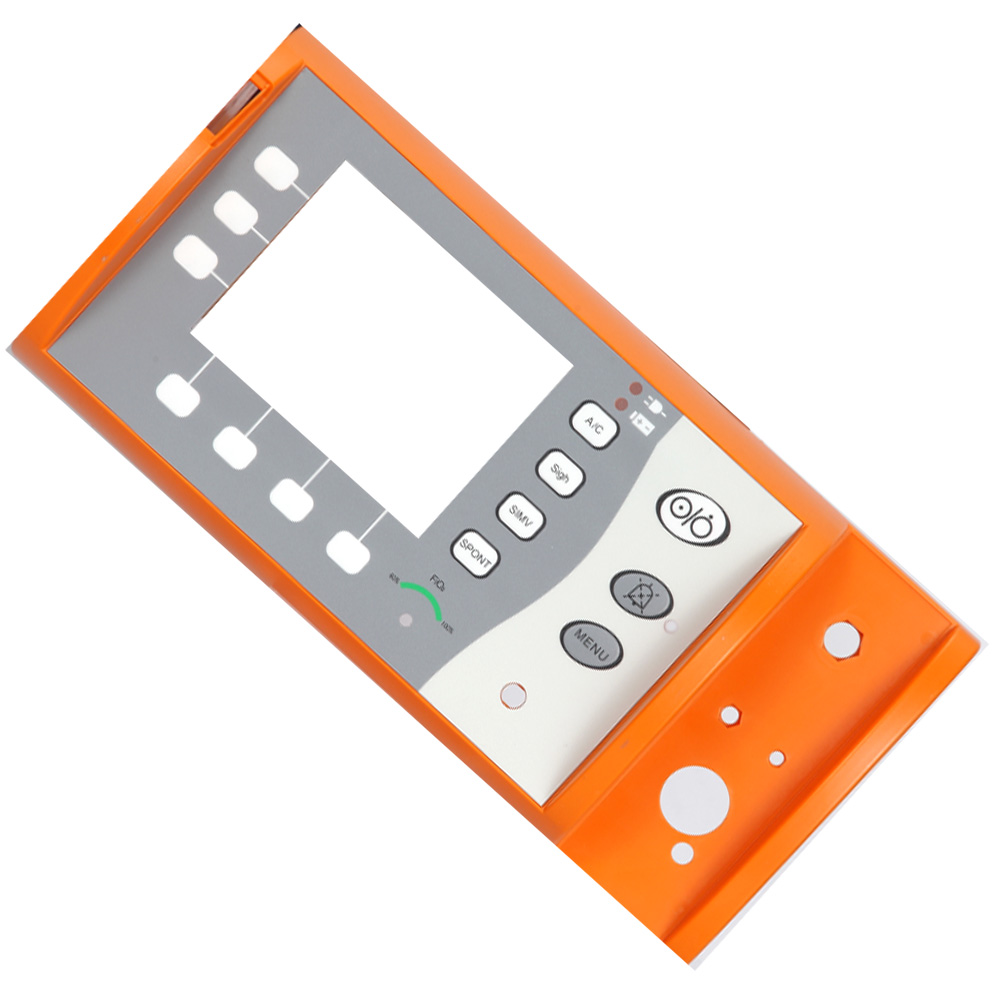
JCF Technology manufactures customized membrane switches and membrane keypads and offers solutions including traditional membrane switches, FPC membrane switch keypads, PCB membrane switches, LED backlighting and capacitive membrane panels.
For medical equipment manufacturers, the membrane keypad should be designed as part of the complete equipment interface rather than as an isolated graphic panel.
Material selection, sealing, tactile feedback, electrical performance and cleaning requirements should all be considered before production.
If you are developing a medical membrane switch or medical membrane keypad, providing the equipment environment and technical requirements at the beginning of the project can help the manufacturer recommend the appropriate structure.