


 Email:


IP67 Waterproof Membrane Switch: Design, Sealing and Testing Guide
A waterproof membrane switch is designed to protect the electrical circuit and user interface from water, moisture, dust and other environmental contaminants.
For industrial equipment, medical devices, outdoor equipment and control panels, a properly designed waterproof membrane keypad can improve reliability and simplify cleaning.
However, waterproof performance depends on the complete construction and testing of the product—not simply on the graphic overlay.
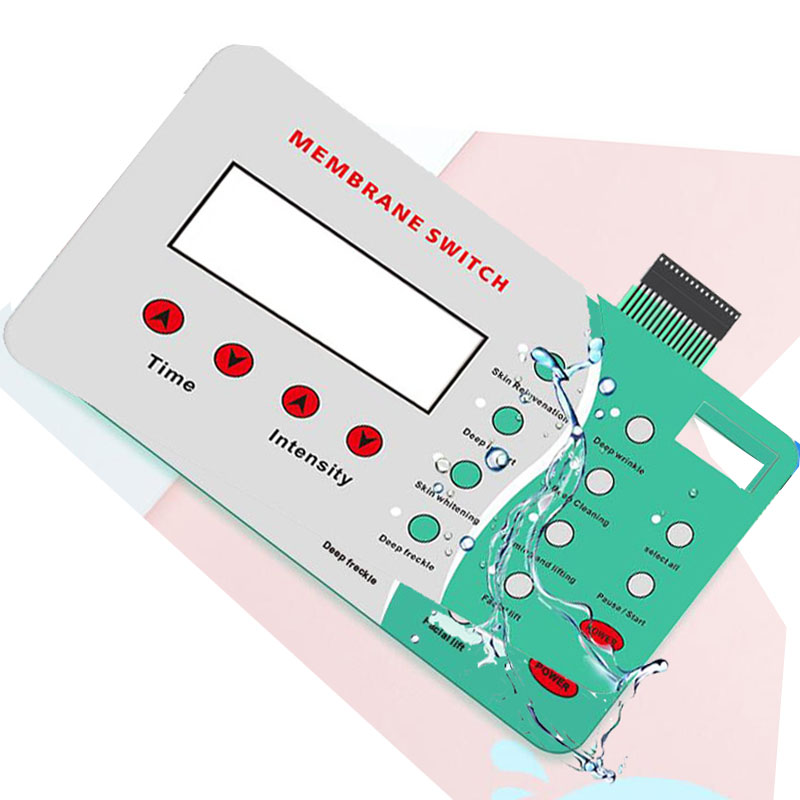
What Makes a Membrane Switch Waterproof?
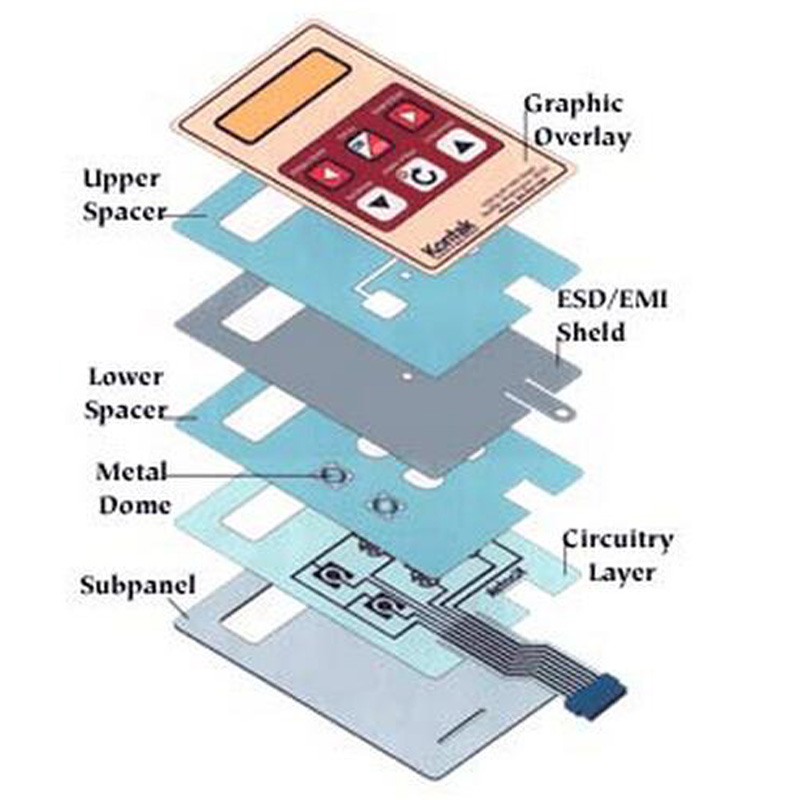
A membrane switch normally consists of multiple layers.
To achieve a sealed design, the areas around the circuit and keypad must be carefully controlled.
The most important areas include the perimeter seal, key structure, connector/tail area and bonding surfaces.
What Does IP67 Mean?
IP67 is an ingress protection rating defined under the IEC 60529 system.
The first digit relates to protection against solid particles and dust.
The second digit relates to protection against water.
An IP67-rated product is designed to provide dust protection and protection against temporary immersion under the conditions specified by the applicable test standard.
However, manufacturers should not assume that every membrane keypad is automatically IP67 simply because the membrane structure is sealed.
The actual rating must be verified through appropriate testing.
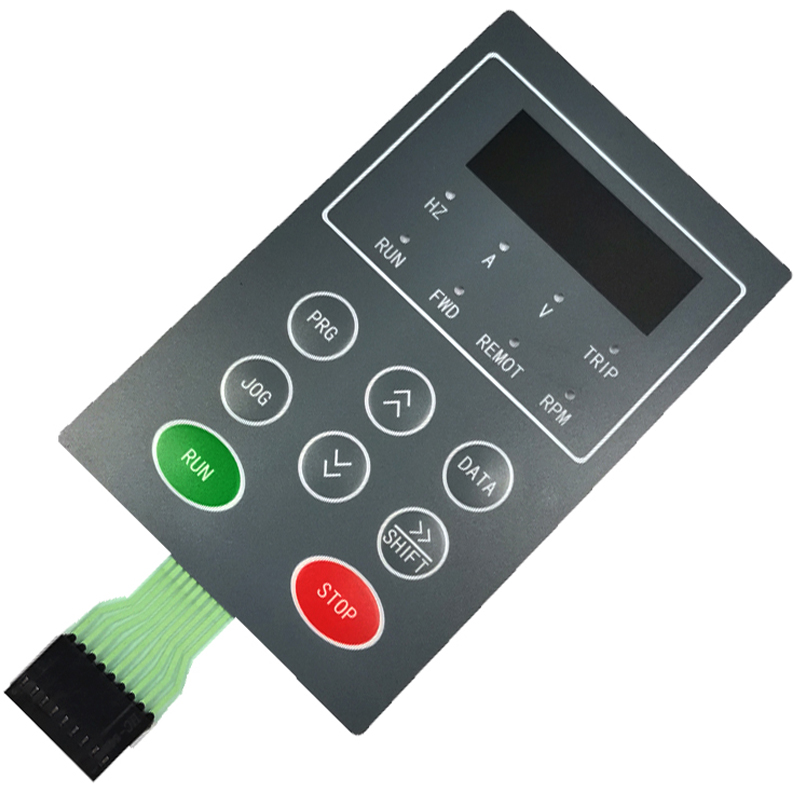
How Is a Waterproof Membrane Keypad Designed?
Several factors should be considered.
1. Perimeter sealing
The perimeter of the membrane keypad needs sufficient sealing to prevent water from entering the internal layers.
2. Adhesive selection
The adhesive must be compatible with the overlay, substrate and expected environmental conditions.
3. Connector protection
The connector and tail area can become a potential path for moisture ingress.
Therefore, the interface between the membrane keypad and the equipment enclosure should be considered during design.
4. Graphic overlay material
The overlay must maintain its mechanical and visual properties in the expected operating environment.
5. Lamination process
Poor lamination can create air bubbles, weak bonding or channels through which moisture may eventually penetrate.
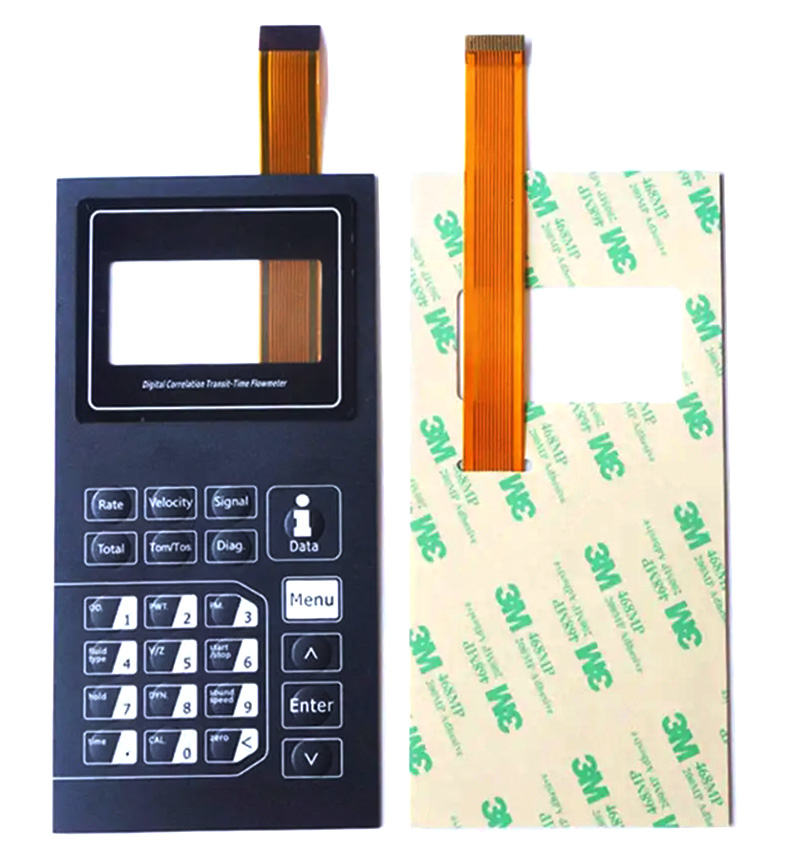
Waterproof Membrane Switch vs Standard Membrane Switch
A standard membrane switch may be suitable for normal indoor environments.
A waterproof membrane switch requires additional attention to:
Sealing
Adhesive selection
Lamination
Connector protection
Material compatibility
Environmental testing
Therefore, waterproof performance should be treated as a system-level design requirement.
How Should Waterproof Performance Be Tested?
Depending on the required specification, testing may include:
Water ingress testing
Dust protection testing
Temperature cycling
Humidity testing
Adhesion testing
Key actuation testing
Electrical continuity testing
Insulation resistance testing
The exact test method should be selected according to the required product specification and applicable standards.
If your application requires an IP67 waterproof membrane switch, the membrane keypad should be designed together with the equipment enclosure and environmental requirements from the beginning of the project.