


 Email:

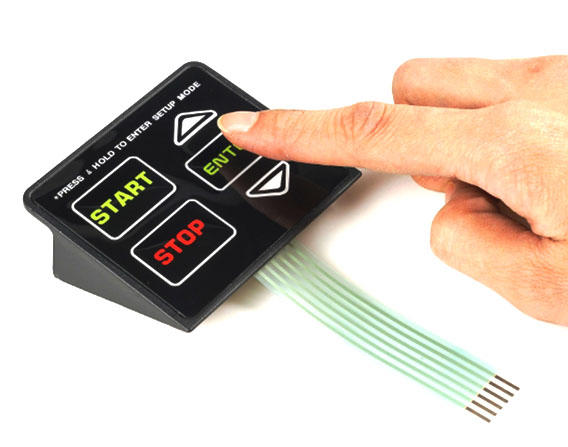
Membrane buttons are thin, flexible switches used in electronic devices, typically part of a membrane keypad. They consist of multiple layers, usually made of polyester or polycarbonate, with conductive traces (like silver or carbon ink) printed on them. When pressed, the top layer contacts the bottom layer, completing an electrical circuit to register the input.
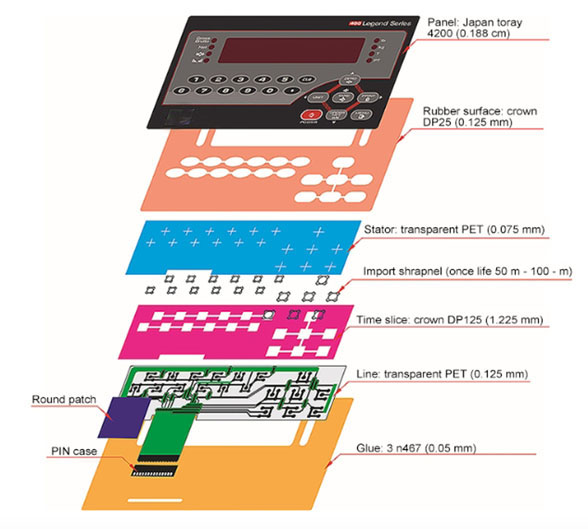
Membrane Buttons Key Features:
Structure: Comprises a graphic overlay, adhesive layers, a circuit layer, and a tactile dome or switch layer.
Operation: Pressing the button causes a dome to collapse, connecting conductive paths to send a signal.
Membrane Keypads Types:
Tactile: Provide physical feedback (click or snap) via metal or poly domes.
Non-tactile: No physical feedback, relying on visual or auditory cues.

Membrane Switch Advantages:
Thin and lightweight.
Cost-effective for mass production.
Resistant to dust, moisture, and chemicals (when sealed).
Customizable with printed graphics or LEDs.
Membrane Keyboards Disadvantages:
Limited tactile feedback compared to mechanical switches.
Can wear out over time (especially non-tactile versions).
Less durable for heavy use compared to mechanical keyboards.
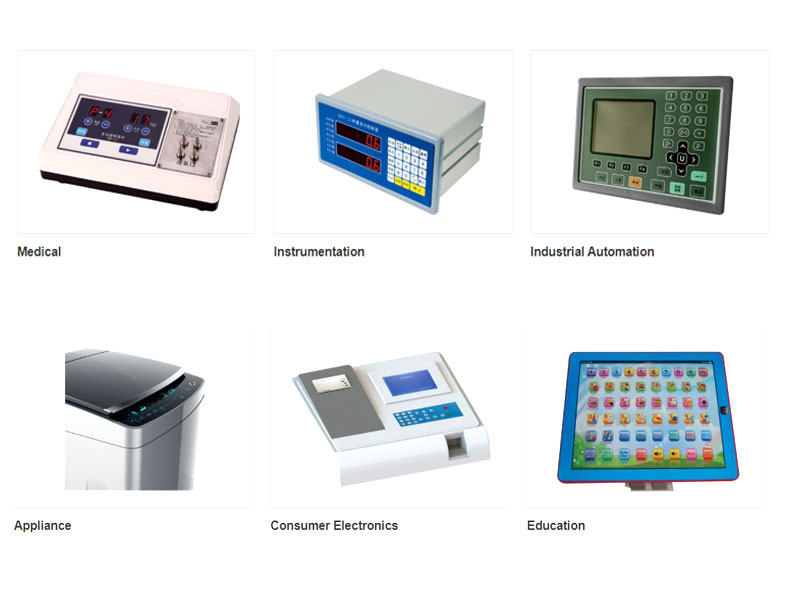
Membrane Switch Keypad Applications:
Consumer electronics (remote controls, microwaves, calculators).
Medical devices, industrial controls, and automotive dashboards.
Keyboards and keypads where slim design or environmental resistance is needed.
If you need specifics on their design, manufacturing, or use in a particular device, let us know. more info visit:www.jcftechnology.com