


 Email:

Membrane keypad (also called membrane switch or membrane switch panels) are widely used in electronic devices as user interface components. They serve as thin, flexible, pressure-activated controls that allow users to input commands by pressing on marked areas (keys/buttons), closing an electrical circuit to trigger a device function.They are popular because they offer a sealed, low-profile, cost-effective, and customizable solution compared to mechanical switches.
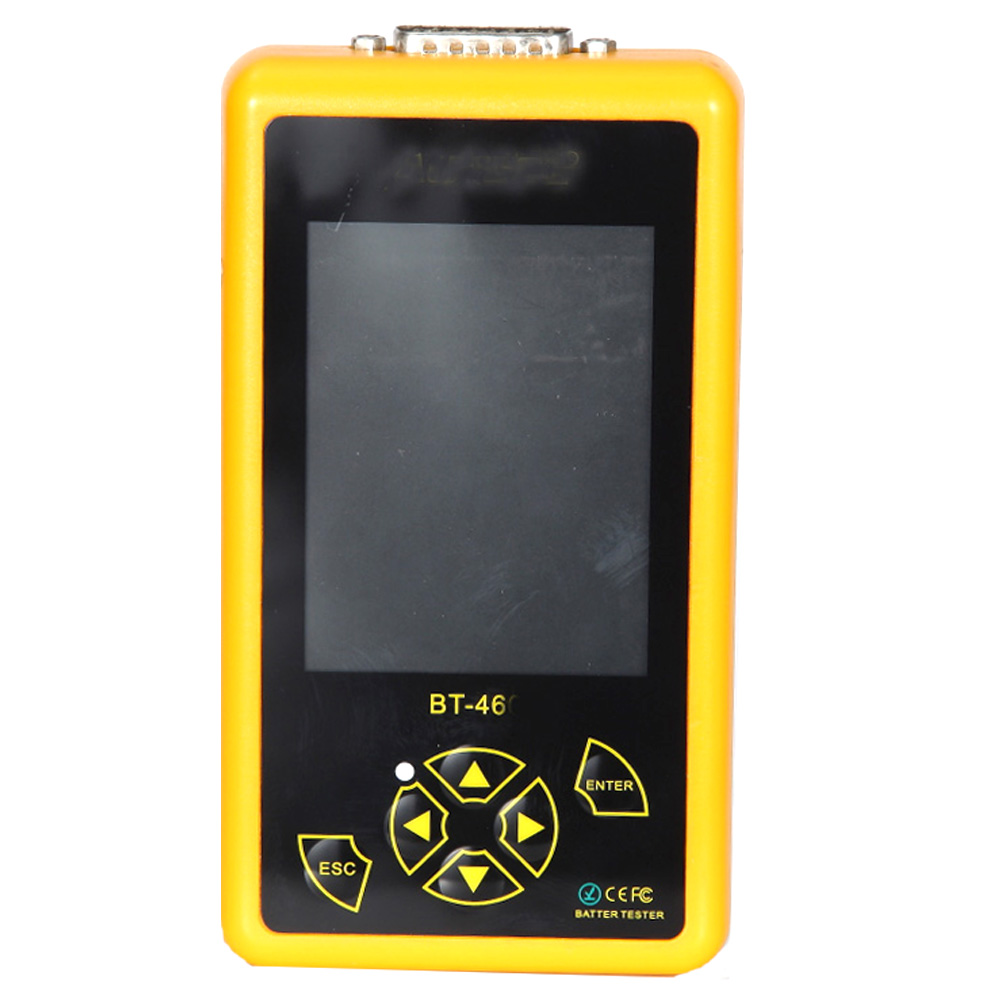
How Membrane Switches Work in Devices
When a user presses a keypad:The top graphic overlay (with printed icons/text) flexes.This pushes a conductive dome or shorting pad downward.The dome contacts the bottom circuit layer → closes the circuit → sends a signal to the device's controller.
This simple mechanism enables reliable on/off or mode selection without exposed moving parts.Common Applications in Electronic Devices Membrane keypad switches appear across many categories due to their durability, ease of cleaning, moisture/dust resistance, and slim design:
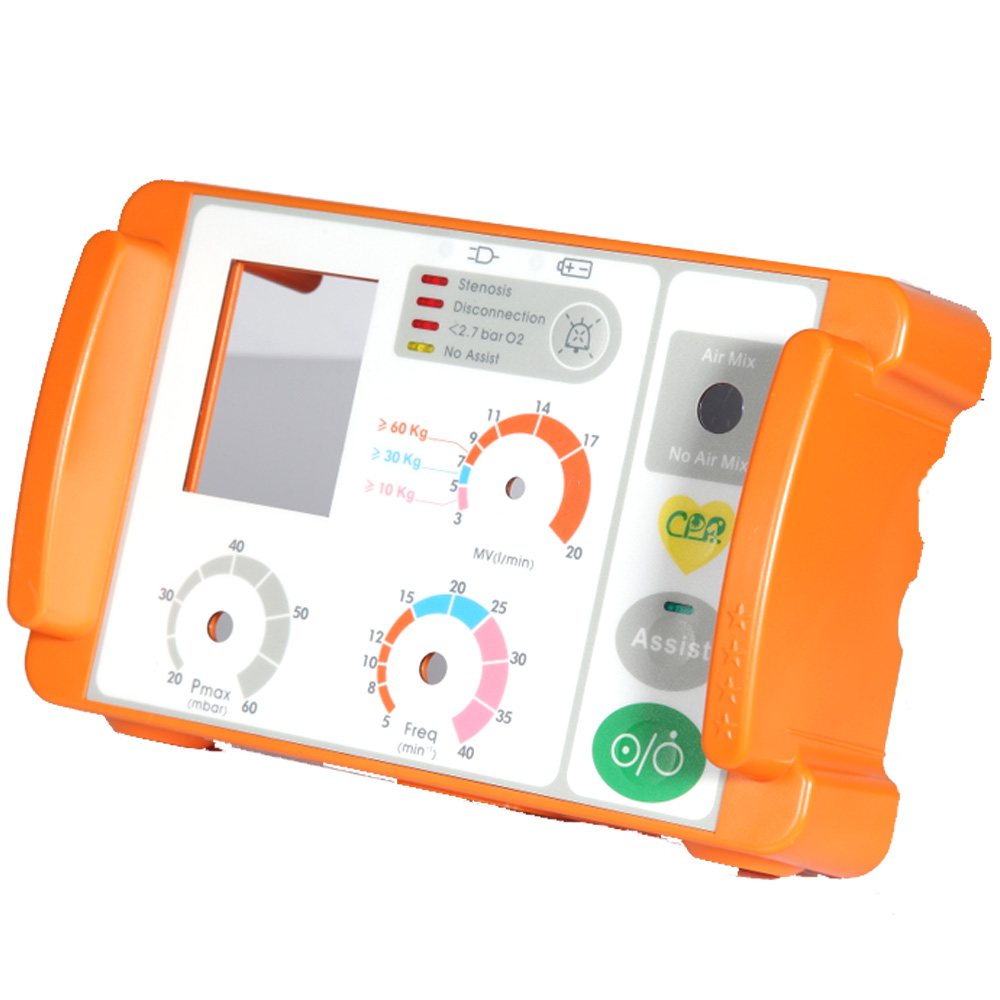
Consumer Electronics & Household Appliances
Microwave oven control panels
Washing machine, dryer, dishwasher, refrigerator, and oven panels
Coffee makers and other small kitchen appliances
Home security keypads
Medical & Healthcare DevicesIV infusion pumps (flow rate, volume adjustment)
Patient vital signs monitors
Oxygen concentrators
Blood pressure monitors and glucose meters
Dialysis machines
Hospital bed controls
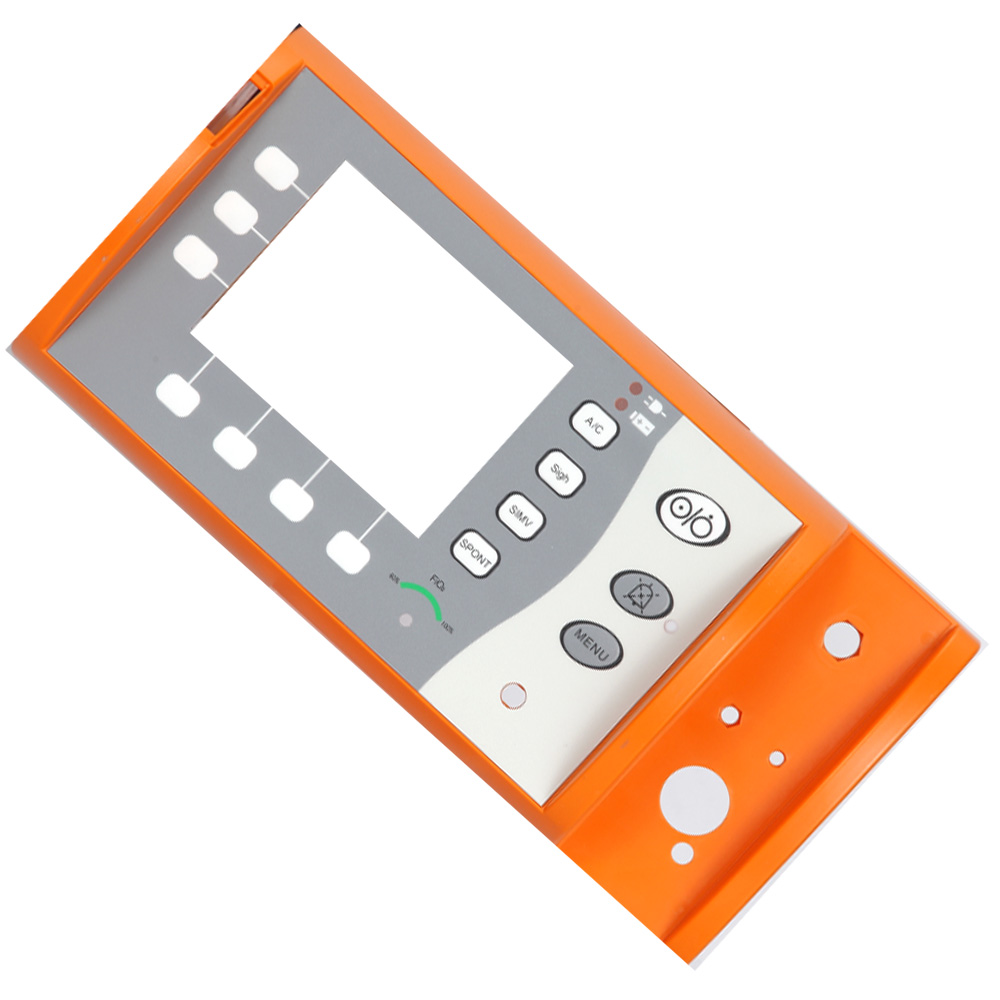
Industrial & Instrumentation
Control panels for machinery and test equipment
Human-machine interfaces (HMI) on production lines
Diagnostic/test instruments
Commercial cleaning equipment (floor scrubbers)
Automotive & Transportation
Dashboard controls
Climate control panels
Infotainment system buttons
Vending machines
Security/access control systems
Some fitness equipment and laboratory instruments
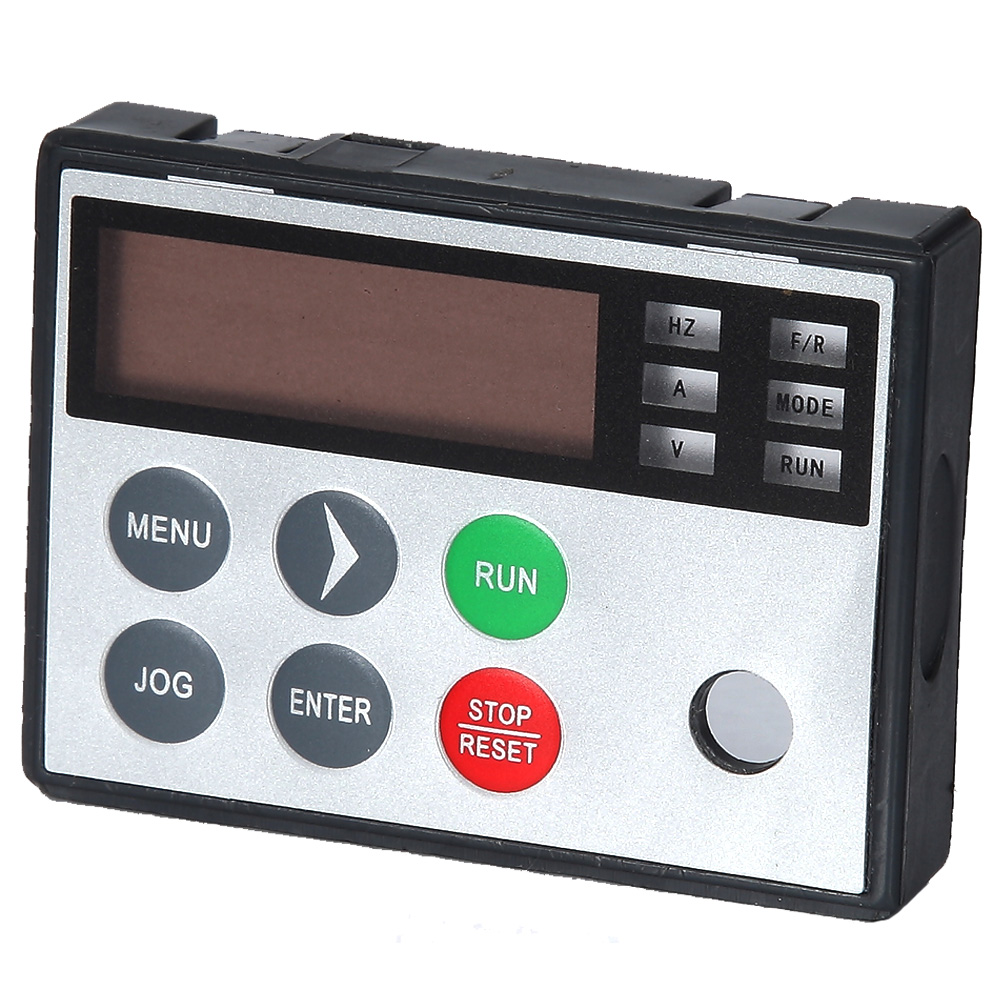
In modern designs, membrane keypad switches are often combined with features like backlighting (LED), tactile feedback (poly or metal domes), embossing, and even integration with touchscreens or capacitive elements for hybrid interfaces.Their thin profile (often <1 mm for the switch stack) makes them ideal for space-constrained or aesthetically clean devices, while the sealed construction protects internal electronics in harsh or hygiene-critical environments (medical, industrial).If you're designing or manufacturing membrane switches, they're especially valued for these customizable, high-volume applications.
More information visit:www.jcftechnology.com