


 Email:

To get a custom membrane keypad (also called a membrane switch or membrane keyboard) properly designed, quoted, and manufactured, manufacturers typically need detailed information from you. This ensures the keypad matches your product's functional, environmental, and aesthetic requirements.Here are the most common and important pieces of information required:
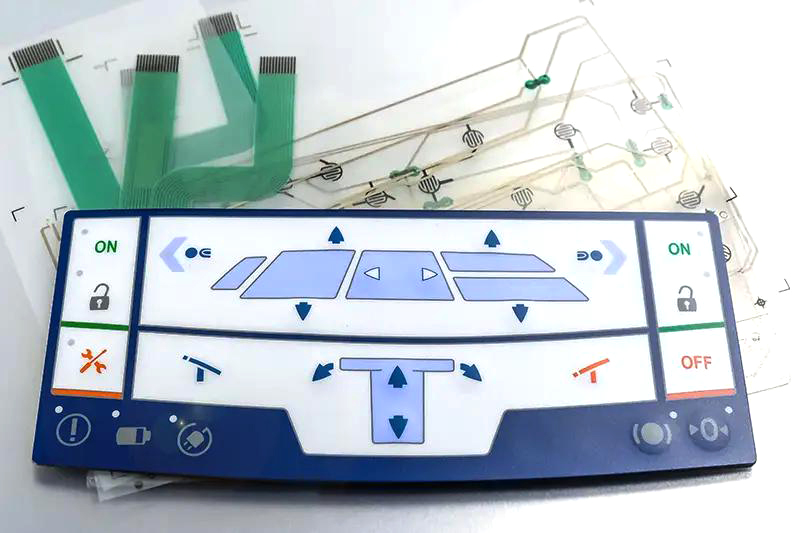
1. Basic Dimensions & ShapeOverall size (length × width) of the keypad
Shape (rectangular, irregular, with cutouts)
Mounting/cut-out dimensions (holes, windows, slots for displays/LEDs)
Total thickness requirements (if constrained)
Mounting method (adhesive backing type, rear adhesive area)
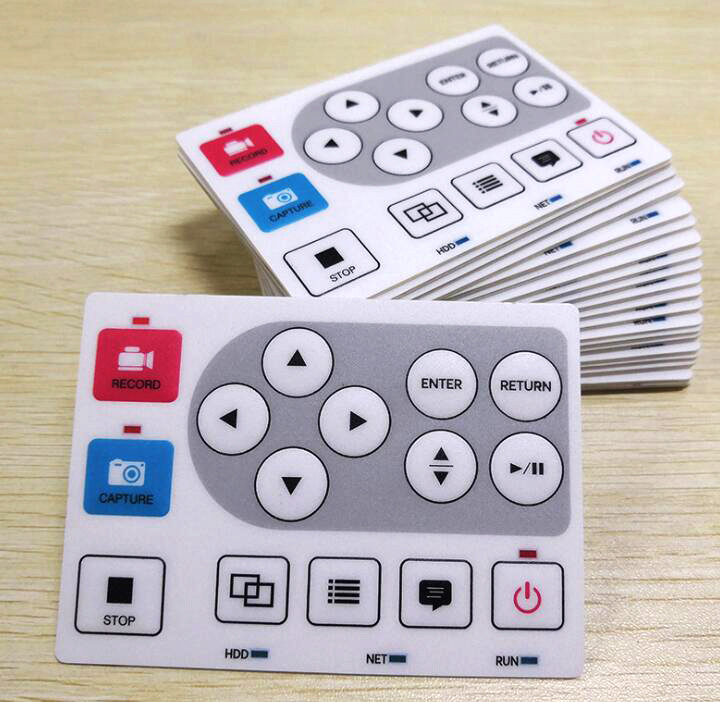
2. Graphic Overlay / AppearanceArtwork / design file (preferably vector format: AI, CDR, PDF,CAD,DXF file)
Colors (Pantone / RAL codes or samples)
Surface finish (glossy, matte, anti-glare, textured)
Embossing (raised keys, braille, rim embossing)
Material (PET polyester, PC polycarbonate, thickness usually 0.125–0.25 mm)
Windows (transparent areas for displays/LCD)
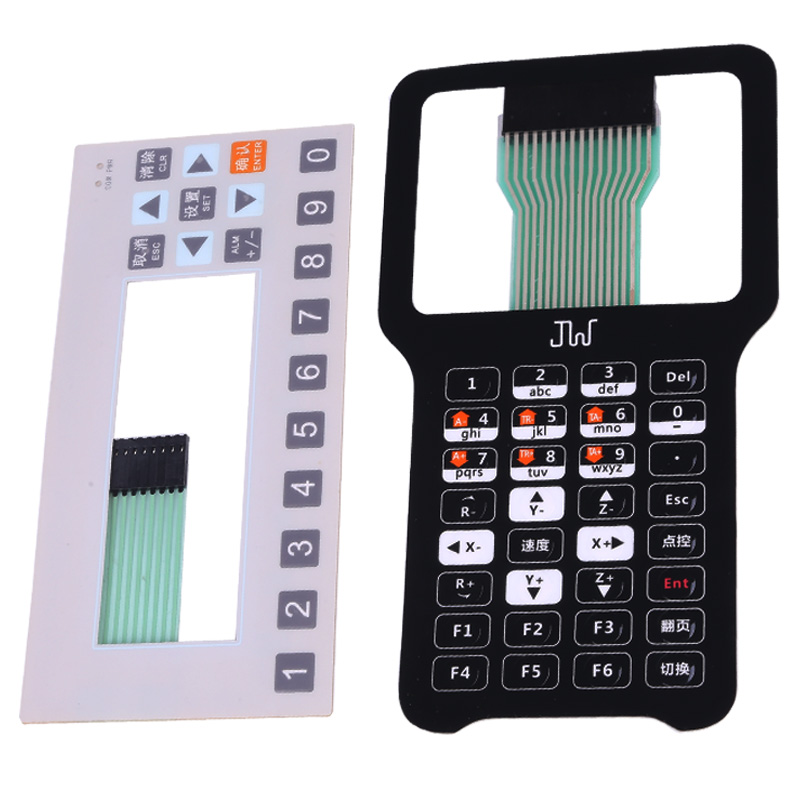
3. Keypads / Buttons Number of keypads/buttons
Keypad layout & spacing
Keypad size and shape
Tactile feedback type:Non-tactile (flat)
Poly dome(embossed)
Metal dome (most common for good feel)
Actuating force (e.g., 150–450 g)
Keypad travel / stroke distance
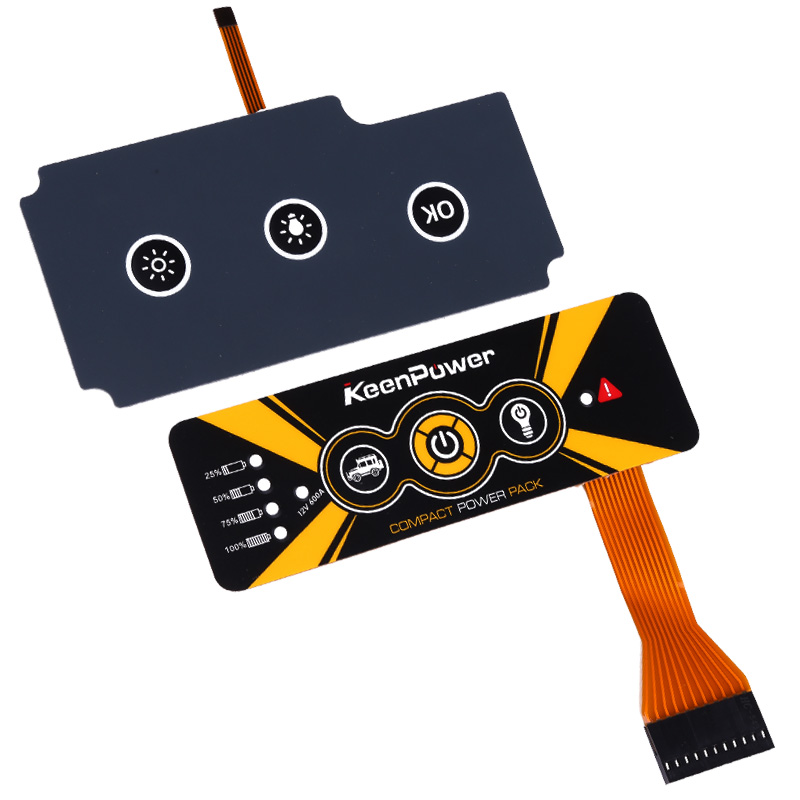
4. Electrical / Circuit RequirementsPinout / matrix layout (rows × columns)
Number of pins / contacts
Contact resistance target (100–200 Ω typical)
Operating voltage & current
Circuit material (silver conductive ink on PET, copper/FPC, PCB)
Tail / flexible connector:Length and Width
Pitch (0.5mm,1.0 mm, 1.27 mm, 2.54 mm )
Connector type (ZIF, female socket, solder pads)
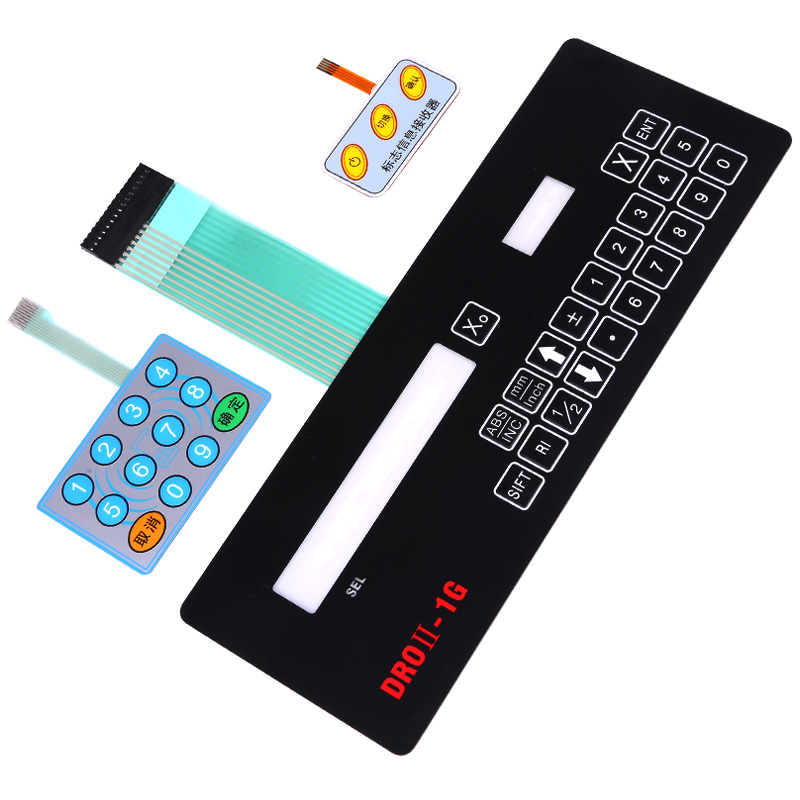
5. Additional FeaturesLEDs / backlighting (number, color, position, light guide film)
Shielding (ESD/EMI/RFI protection layer)
Waterproof / IP rating (e.g., IP65, IP67)
Operating environment:Temperature range Humidity
Chemical / oil / UV resistance needs
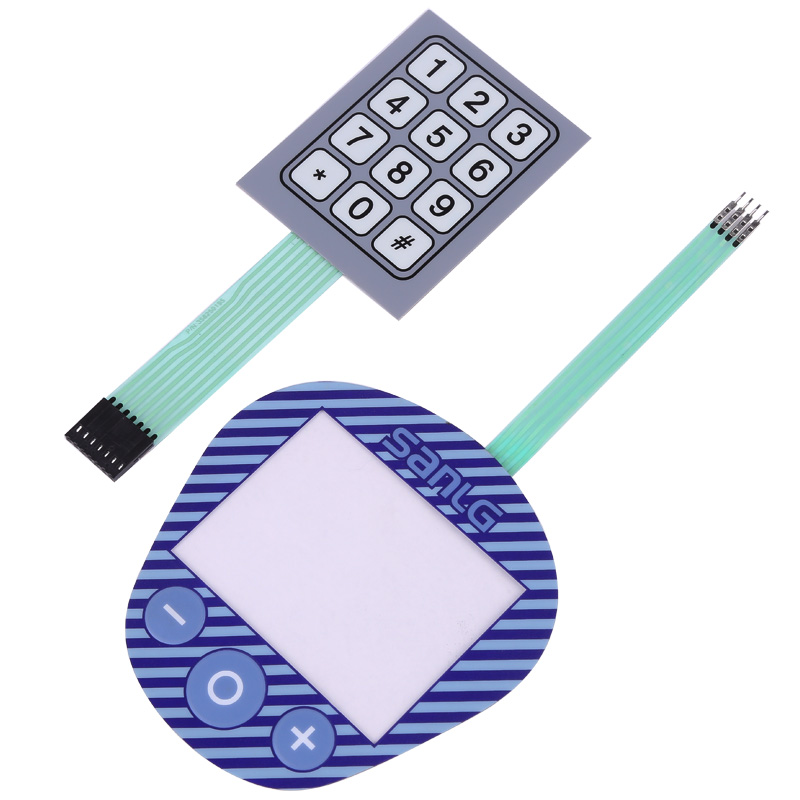
6. Mechanical & EnvironmentalExpected lifetime / actuations (e.g., ≥1 million cycles)
Adhesive type (3M, acrylic, permanent)
Backing plate / support (aluminum, stainless steel, plastic)
Embossing or other tactile indicators
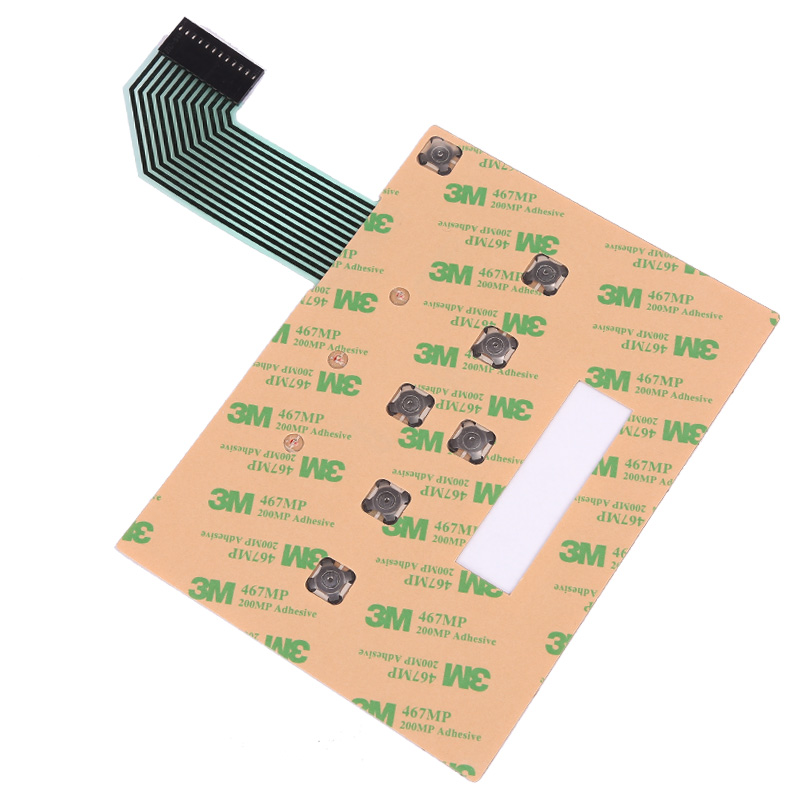
7. Commercial / Production InformationQuantity required (prototype qty + production run, annual usage)
Lead time expectations
Target price range (if known)
Application / industry (medical, industrial, automotive, consumer)
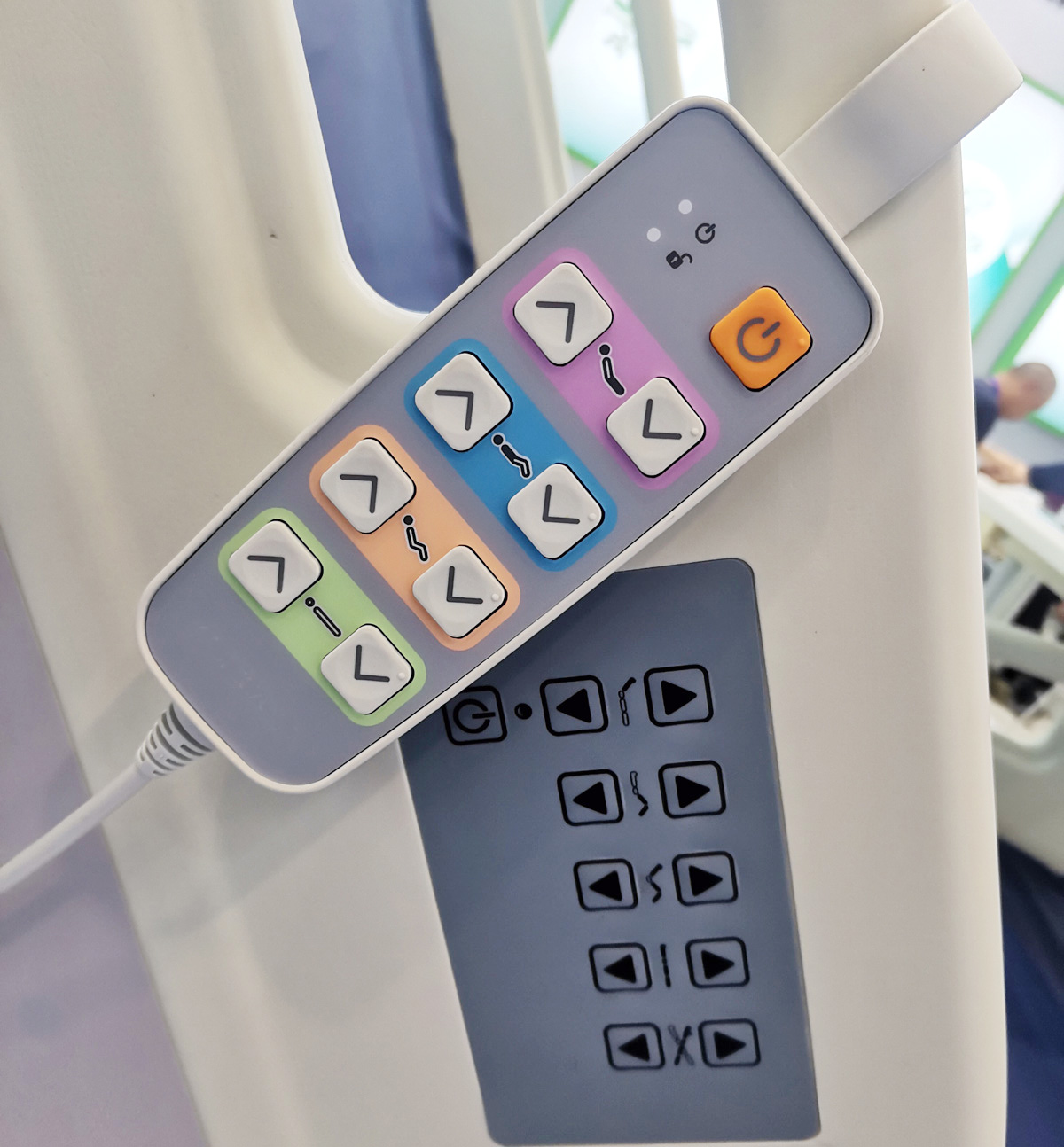
Providing a rough sketch, sample of a similar product, or basic drawing (even hand-drawn) helps a lot at the beginning. Many manufacturers can create initial drawings from your description and then refine them.If you're ready to request a quote, share as many of the above details as possible — the more complete the info, the more accurate and faster the quotation and prototyping will be.
More info visit:www.jcftechnology.com